 feisty
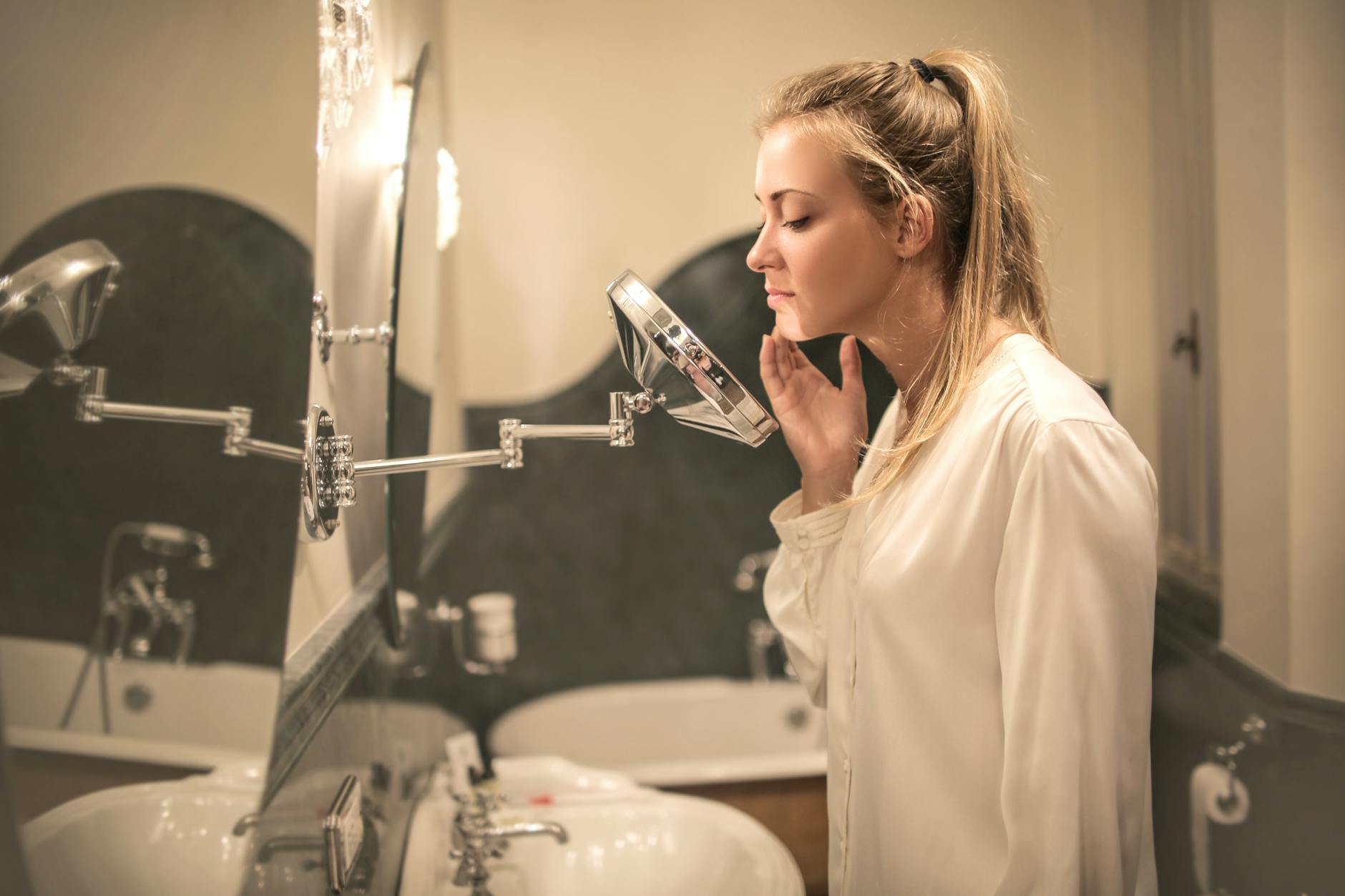
Menopause face is the term women use to describe what happens to their skin, face shape, and facial hair during perimenopause and menopause. The changes are real, they're hormonal, and they tend to arrive faster than most women expect. Puffiness, sagging, dryness, new lines, spots on the jaw, and a flattening of facial contours can all show up within a few years of oestrogen starting to drop. Understanding the mechanism behind each one makes the response a lot more targeted.
What oestrogen actually does for your face
Oestrogen does several things in skin that most people never think about until it's gone. It stimulates collagen production, maintains skin hydration by supporting hyaluronic acid levels, keeps sebaceous glands functioning, and influences where fat sits on the face. When oestrogen drops sharply during perimenopause, all of those functions shift at the same time.
The most measurable change is collagen loss. Skin loses roughly 30% of its collagen in the first 5 years after menopause, according to research published in the British Journal of Dermatology. That's not a gradual drift. It's a steep decline that shows up as thinner skin, more pronounced lines, and reduced firmness around the jaw and neck. The article on collagen and menopause covers the biology in more detail, including what happens in joints alongside skin.
The specific changes that make up "menopause face"
Not every woman gets every change, and timing varies. But the following are the most common and most documented.
Dryness and dullness. Oestrogen helps skin retain water. When levels fall, the skin barrier weakens and transepidermal water loss increases. The result is skin that feels tight, looks dull, and doesn't respond as well to moisturiser as it once did.
Sagging and loss of facial volume. Fat pads in the face redistribute during menopause. Volume drops in the cheeks and around the eyes, and gravity pulls looser skin downward, deepening the nasolabial folds and softening the jawline. This is what most people mean when they say someone "looks tired" in midlife, even after a full night's sleep.
Jawline breakouts. This is the one that catches women off guard. Falling oestrogen shifts the androgen-to-oestrogen ratio, and androgens become relatively more dominant. The result is adult acne that clusters around the chin and jaw, the same hormonal acne pattern seen in teenagers, but behaving differently in older skin. The piece on perimenopause acne goes deeper on why the standard treatments often don't work for this type.
Facial hair changes. As androgens become relatively more prominent, some women develop fine hair on the chin, upper lip, and sideburn area. It's the same mechanism as jawline acne: not more androgens in absolute terms, but oestrogen no longer offsetting them.
Redness and sensitivity. Hot flushes and vasomotor symptoms affect facial skin directly. Repeated flushing can dilate blood vessels over time, contributing to persistent redness or rosacea-like symptoms. Some women who have never had sensitive skin before find their skin reacts to products they've used for years.
Pigmentation changes. Oestrogen influences melanin production. Some women develop new dark spots during perimenopause; others find existing spots fade. Hormonal fluctuations also make skin more sun-sensitive, so UV exposure that once didn't cause a mark now can.
What actually helps
The most effective interventions target the underlying hormonal driver or directly support what oestrogen used to do in the skin. Neither category is complicated, but they're different things.
Menopausal hormone therapy (MHT). The best-evidenced intervention for menopause face is also the most underused for it. MHT doesn't just address hot flushes. Studies show it slows collagen loss, improves skin hydration, and maintains skin thickness. If you're considering it for other symptoms, the skin benefits are a genuine bonus rather than a marketing claim.
Topical retinoids. Retinol and prescription retinoids (tretinoin) are the most studied topical ingredients for collagen stimulation and skin turnover. They work in post-menopausal skin, but sensitised skin needs a lower concentration and slower introduction than younger skin would. Start at a low strength, use it every third night, and increase from there.
Sunscreen, every day. This isn't new advice, but the stakes are higher after menopause. Oestrogen-depleted skin is more vulnerable to UV damage, and UV damage accelerates the collagen loss already in progress. The TGA classifies SPF50+ sunscreens as therapeutic goods in Australia, and they're the single most effective anti-ageing product available without a prescription.
Hyaluronic acid and ceramide moisturisers. These ingredients address the barrier dysfunction and hydration loss directly. They don't replace oestrogen's effect, but they reduce the visible consequences of dryness, and they're well-tolerated even by sensitised skin.
Niacinamide. This form of vitamin B3 reduces inflammation, helps with pigmentation, and supports the skin barrier. It's one of the more useful over-the-counter ingredients for the redness and sensitivity component of menopause face, and it stacks well with both retinoids and sunscreen.
Collagen peptide supplements. The evidence here is improving. Several randomised controlled trials now show that hydrolysed collagen peptides taken orally increase skin collagen density and improve elasticity in menopausal women. They're not a replacement for topical treatment, but they're not placebo either.
What doesn't help much
Expensive "menopause skincare" ranges that don't contain retinoids, SPF, or any active ingredient with clinical backing often do little beyond the moisturising effect of any well-formulated cream. Phytoestrogen-containing creams have mixed evidence. Some studies show modest improvement in skin hydration; none show the structural benefits that prescription topicals or MHT deliver.
Facial massage and gua sha can temporarily reduce puffiness by improving lymphatic drainage. They don't reverse collagen loss or restore facial volume. Worth knowing before spending on tools or courses that promise otherwise.
When to talk to a doctor
If the skin changes feel sudden or severe, a conversation with a GP or menopause specialist is worth having before spending more on skincare. Prescription options including tretinoin, MHT, and topical oestrogen (sometimes used off-label for facial skin) are more effective than anything available over the counter, and they can be tailored to your health history. A doctor who understands the hormonal picture will also be able to separate what's driving breakouts from what's driving dryness, because the approach to each is different.
Menopause face is a real and specific set of changes. Each one has a mechanism, and most have a targeted response. The gap between feeling unseen and feeling informed is usually just access to the right explanation.