 feisty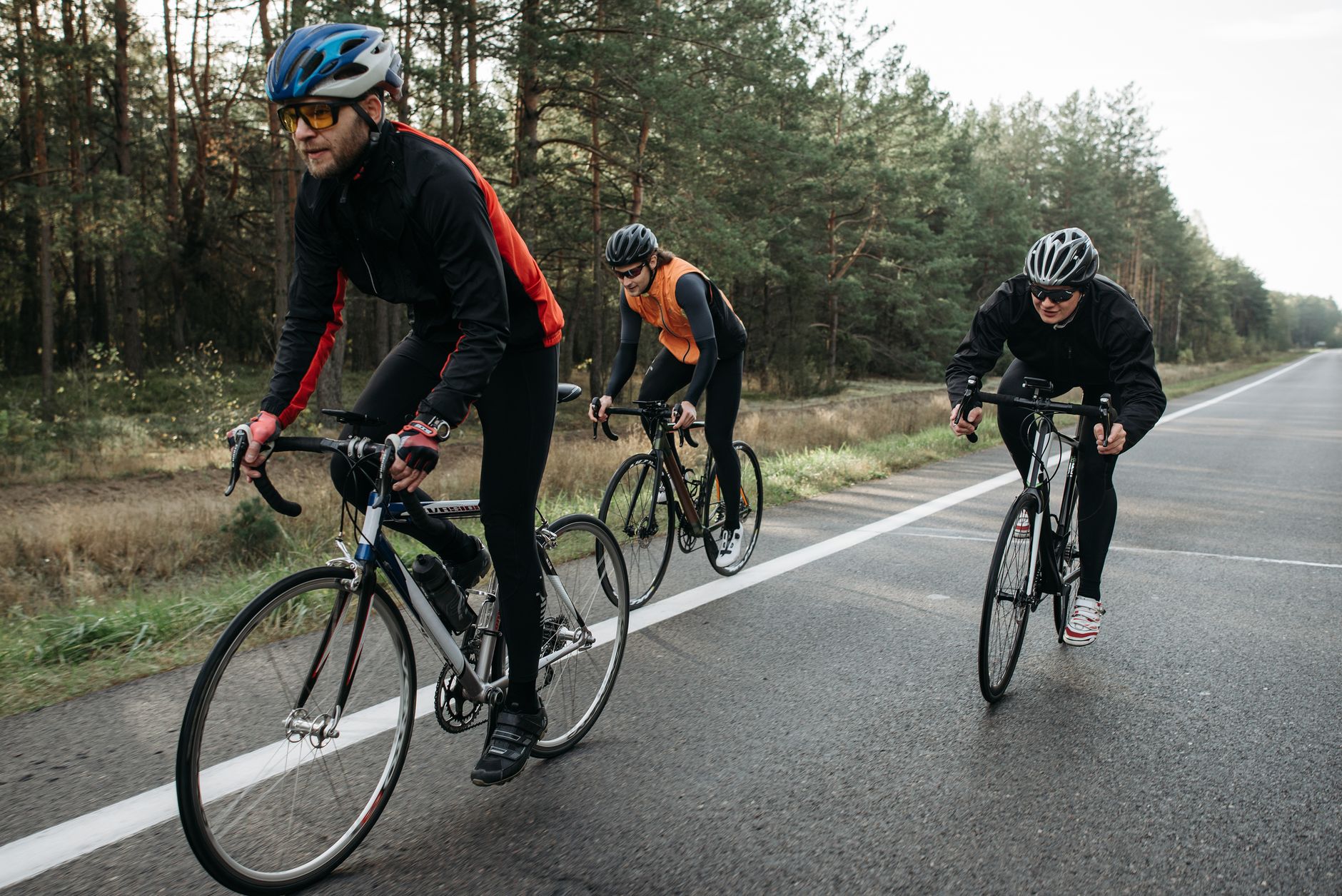
Cycling sits in a rare category of exercise: genuinely low impact, surprisingly demanding, and easy enough to fold into daily life without dedicating a separate hour to the gym. Whether you're riding a road bike at dawn or commuting on a hybrid through city traffic, cycling delivers cardiovascular conditioning, leg strength, and metabolic benefits that most other activities spread across two or three separate workouts. It's not a shortcut. It's a surprisingly complete form of movement.
What cycling actually does to your body
The cardiovascular gains come fast. Within a few weeks of regular riding, resting heart rate drops and stroke volume (the amount of blood the heart pumps per beat) increases. The lungs adapt too, with VO2 max, the standard measure of aerobic capacity, rising steadily in beginners and continuing to improve for years in trained riders.
Cycling also builds lower-body muscle. The quads, hamstrings, glutes, and calves drive the pedal stroke, and at moderate-to-high resistance they respond with genuine hypertrophy. It's not the same as barbell squats, but it isn't trivial either. Riders who put in consistent kilometers develop real leg strength, often without realising it.
The joint-protection angle matters most for people with knee pain or arthritis. Running generates ground reaction forces of roughly 2.5 times body weight per stride. Cycling generates almost none. The knee moves through a controlled arc, and the saddle bears most of the load. Many physiotherapists prescribe cycling specifically because it keeps the joint mobile without stressing it.
Cycling outdoors vs. riding indoors
Both work. The choice comes down to what you'll actually do consistently.
Outdoor cycling adds terrain variability, fresh air, and the navigational engagement that makes a 90-minute ride feel shorter than 30 minutes on a stationary bike. The unpredictability of hills, wind, and road surface forces constant small adjustments from stabilising muscles that an indoor trainer never reaches. It's also practical transport.
Indoor cycling, including smart trainers paired with platforms like Zwift, removes weather and traffic from the equation entirely. Power-based training indoors is also more controllable: you can hit a precise watt target for a precise interval length without a car turning across you at the wrong moment. For structured interval sessions, indoor riding is hard to beat.
Many riders use both, doing interval work indoors through winter and longer endurance rides outdoors when conditions allow. That split isn't a compromise; it's a reasonable year-round plan.
How to set up your bike correctly
Most cycling discomfort comes from poor fit, not the sport itself. Three adjustments fix the majority of problems.
- Saddle height: at the bottom of the pedal stroke, your knee should have a slight bend (roughly 25 to 30 degrees). Too low causes knee pain at the front; too high causes rocking hips and pain at the back of the knee.
- Saddle fore-aft position: when the crank arms are horizontal, your forward knee should sit roughly above the pedal axle. This keeps the knee tracking over the foot through the power phase.
- Handlebar reach: you shouldn't feel crammed or stretched. A slight bend in the elbows, with shoulders relaxed, is the target. Tension in the neck and shoulders usually means the reach is too long.
A professional bike fit at a reputable shop costs between $100 and $300 and is worth every cent if you plan to ride more than twice a week. Many chronic overuse injuries trace back to a saddle that's 5 millimetres in the wrong place.
Cycling and hormonal health
Aerobic exercise, including regular cycling, influences hormone regulation in ways that extend well beyond fitness. Cortisol levels drop with moderate-intensity riding. Insulin sensitivity improves, which matters enormously for metabolic health. For women navigating menopause, the evidence is particularly relevant: regular aerobic exercise reduces the frequency and severity of vasomotor symptoms (hot flushes), supports bone density, and improves mood stability during a period when oestrogen withdrawal disrupts almost every system in the body.
Cycling is a good match for this life stage specifically because it's weight-bearing enough to stimulate bone density without the repetitive impact of running. It's also adjustable: on a low-energy day, an easy 30-minute spin still generates benefit. You don't have to go hard every time.
Building a routine that sticks
Three rides a week is enough to see real change. One longer ride (60 to 90 minutes at a conversational pace), one shorter interval session (20 to 30 minutes with hard efforts), and one recovery spin will cover aerobic base, intensity stimulus, and active recovery in a package most schedules can hold.
Progress comes from consistency more than heroics. Skipping a month and then riding hard on a weekend is the pattern that causes injury. Showing up three times a week at moderate effort, week after week, is what moves fitness forward. The riders who improve fastest aren't the most motivated on day one. They're the ones who are still riding on day 90.
Gear matters less than habit. A basic bike in good mechanical condition, a correctly fitted helmet, and a pair of padded shorts are enough to start. Add kit gradually as riding becomes a fixed part of your week, not before.