 feisty
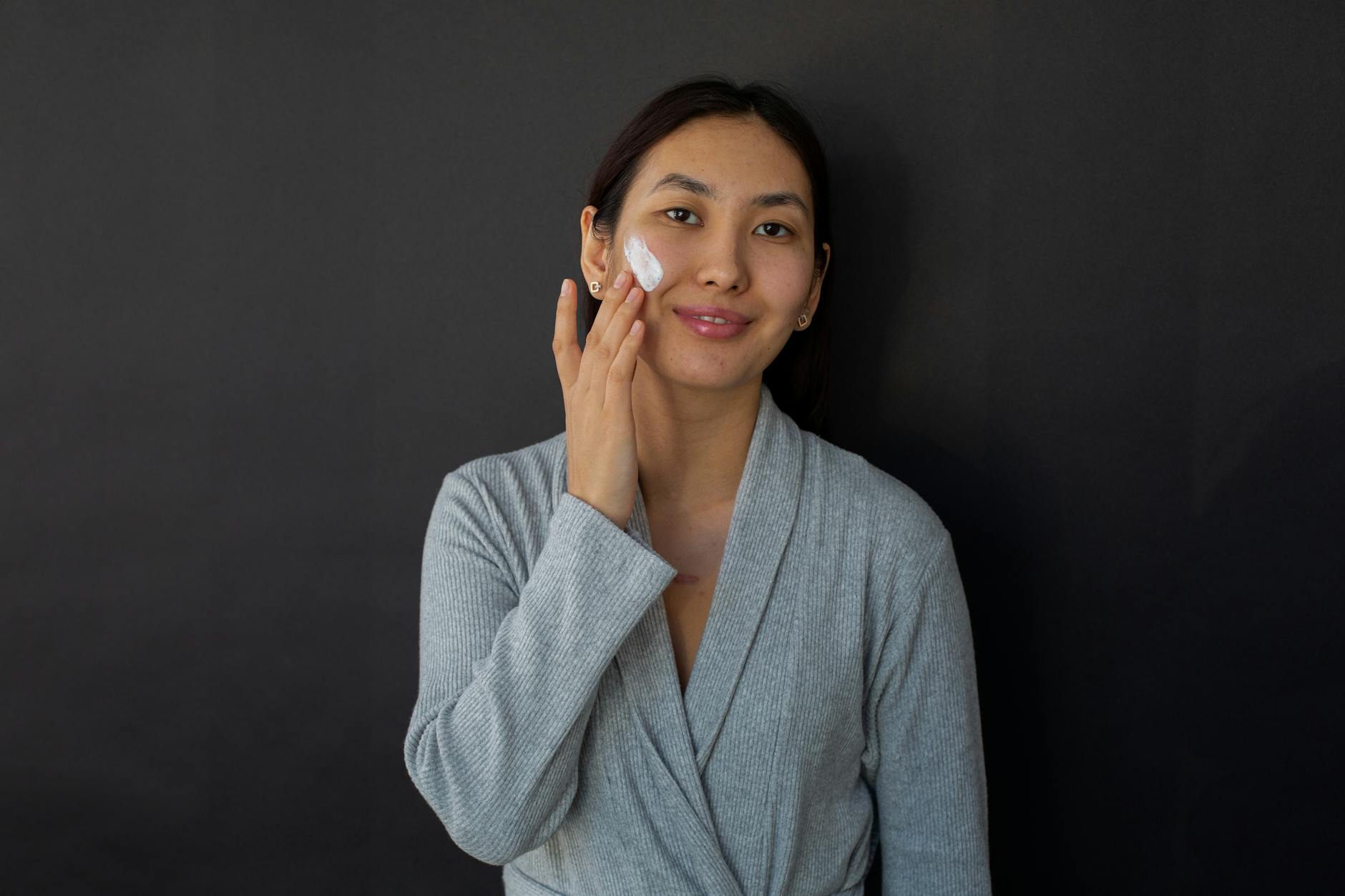
Collagen and menopause are connected in a way that most women don't fully understand until the damage is already visible. Collagen is the structural protein that keeps skin firm, joints cushioned, and bones dense. Oestrogen actively supports collagen production, so when oestrogen drops in perimenopause and menopause, collagen follows. Fast. Studies suggest women lose roughly 30% of their skin collagen in the first 5 years after menopause, with a further 2% lost each year after that. That's not a cosmetic complaint. It's a structural shift affecting skin, cartilage, tendons, and bone at the same time.
Why oestrogen and collagen are so closely linked
Oestrogen receptors sit on the fibroblasts that produce collagen. When oestrogen is circulating at normal levels, it stimulates fibroblast activity and slows the enzymes that break collagen down. Remove that hormonal support and two things happen simultaneously: production slows and breakdown speeds up. The result isn't a gentle decline. It's a compounding loss that accelerates most sharply in the first few years after the final period.
This is why skin changes in menopause feel abrupt to many women. They're not imagining it. The timeline is genuinely compressed. Collagen fibres in the dermis thin out, skin loses moisture-holding capacity alongside it, and the physical appearance of lines, laxity, and dryness intensifies quickly. Similar processes play out in the joints, where collagen-rich cartilage relies on the same hormonal support to stay hydrated and resilient.
What collagen loss looks like across the body
The effects aren't confined to the face. Here's where collagen loss shows up in a meaningful way during menopause.
- Skin: Thinning, increased fine lines, reduced elasticity, slower wound healing, and greater fragility. The face, neck, and hands tend to show the most visible change first.
- Joints: Joint pain in menopause is partly a collagen story. Cartilage is roughly 65–80% collagen by dry weight. As it deteriorates, joints become stiffer and more prone to pain, particularly in the hands, knees, and hips. This overlaps with the rise in supplements for menopause joint pain that many women start searching for in their late 40s.
- Bones: Bone is a matrix of collagen fibres mineralised with calcium. Oestrogen-driven collagen loss contributes to the reduction in bone quality that increases fracture risk post-menopause, separate from but alongside the calcium and mineral density changes most people focus on.
- Pelvic floor and connective tissue: Ligaments and tendons lose tensile strength, which contributes to pelvic floor changes, urinary symptoms, and the increased susceptibility to musculoskeletal injury many active women notice during this period.
Does collagen supplementation actually help?
The evidence is better than the supplement industry deserves credit for suggesting, and more limited than the marketing implies. Hydrolysed collagen peptides, the form found in most supplements, are absorbed as amino acids and dipeptides that do reach the dermis and joint tissue in studies. They don't arrive as intact collagen. Instead, they appear to stimulate fibroblasts to produce more collagen themselves.
Randomised controlled trials have shown improvements in skin elasticity, hydration, and the reduction of fine lines at doses of 2.5–10 grams per day over 8–12 weeks. Smaller but consistent evidence exists for joint comfort in women with age-related joint deterioration. The catch: most studies run for under 6 months, and few specifically isolate menopausal women as a group. The results are promising, not definitive.
Type I collagen (the dominant form in skin) and type II collagen (the dominant form in cartilage) are the most relevant types for menopause. Many supplements contain type I and III, which is appropriate for skin-focused goals. Products targeting joint support increasingly use undenatured type II collagen at lower doses (around 40 mg), which works via a different immune-mediated mechanism. These are not interchangeable, and the label matters.
What else affects collagen during menopause
Supplementation is one lever. It isn't the only one, and for some women it won't be the most important one.
Vitamin C is non-negotiable for collagen synthesis. The enzyme that crosslinks collagen fibres requires vitamin C as a cofactor. Without adequate intake, collagen production stalls regardless of how many peptides you're consuming. Zinc plays a supporting role in the same pathway.
Sun exposure is the single largest external driver of collagen degradation. UV radiation activates matrix metalloproteinases, the same enzymes oestrogen was previously suppressing. In post-menopausal skin, where the hormonal brake is gone, UV damage compounds the problem significantly. Daily SPF is not optional at this stage.
Smoking directly suppresses collagen production and is one of the clearest lifestyle predictors of accelerated skin ageing in menopausal women. Alcohol disrupts fibroblast function and depletes the zinc and vitamin C needed for synthesis.
Resistance training is worth naming here specifically. Mechanical load on tendons, ligaments, and bones stimulates collagen synthesis through a pathway that doesn't depend on oestrogen. This is one of the strongest arguments for lifting heavy weights during and after the menopause transition, and the evidence for muscle and connective tissue preservation is substantial.
Should you consider HRT for collagen?
Menopausal hormone therapy (MHT) addresses the root hormonal driver of collagen loss, not just the downstream effects. Studies comparing collagen density in women on oestrogen therapy versus those not on it consistently show a meaningful difference, with some research finding that MHT can increase skin collagen content by up to 6% per year in early post-menopause. The effect on joint symptoms is also documented, though less consistently so.
MHT isn't appropriate for everyone, and the decision involves a full clinical picture that goes well beyond collagen. But if collagen-related symptoms (skin ageing, joint pain, reduced connective tissue resilience) are part of a wider symptom burden, they're worth raising with a clinician alongside the other menopause symptoms. The available menopause treatments span a much wider range than most women realise at first.
Practical summary
Collagen loss in menopause is real, it starts in perimenopause, and it affects more than the mirror. The most evidence-backed strategies are: hydrolysed collagen peptides at 5–10 grams daily, consistent vitamin C intake, resistance training, and daily sun protection. If hormonal drivers are left unaddressed, no supplement will fully compensate. For women with significant symptom burden, MHT remains the most direct intervention at the root cause.
Pick your levers based on what matters most to you. Skin is the most visible concern, but joint and bone collagen matter more for long-term function. Both respond to the same inputs.