 feisty
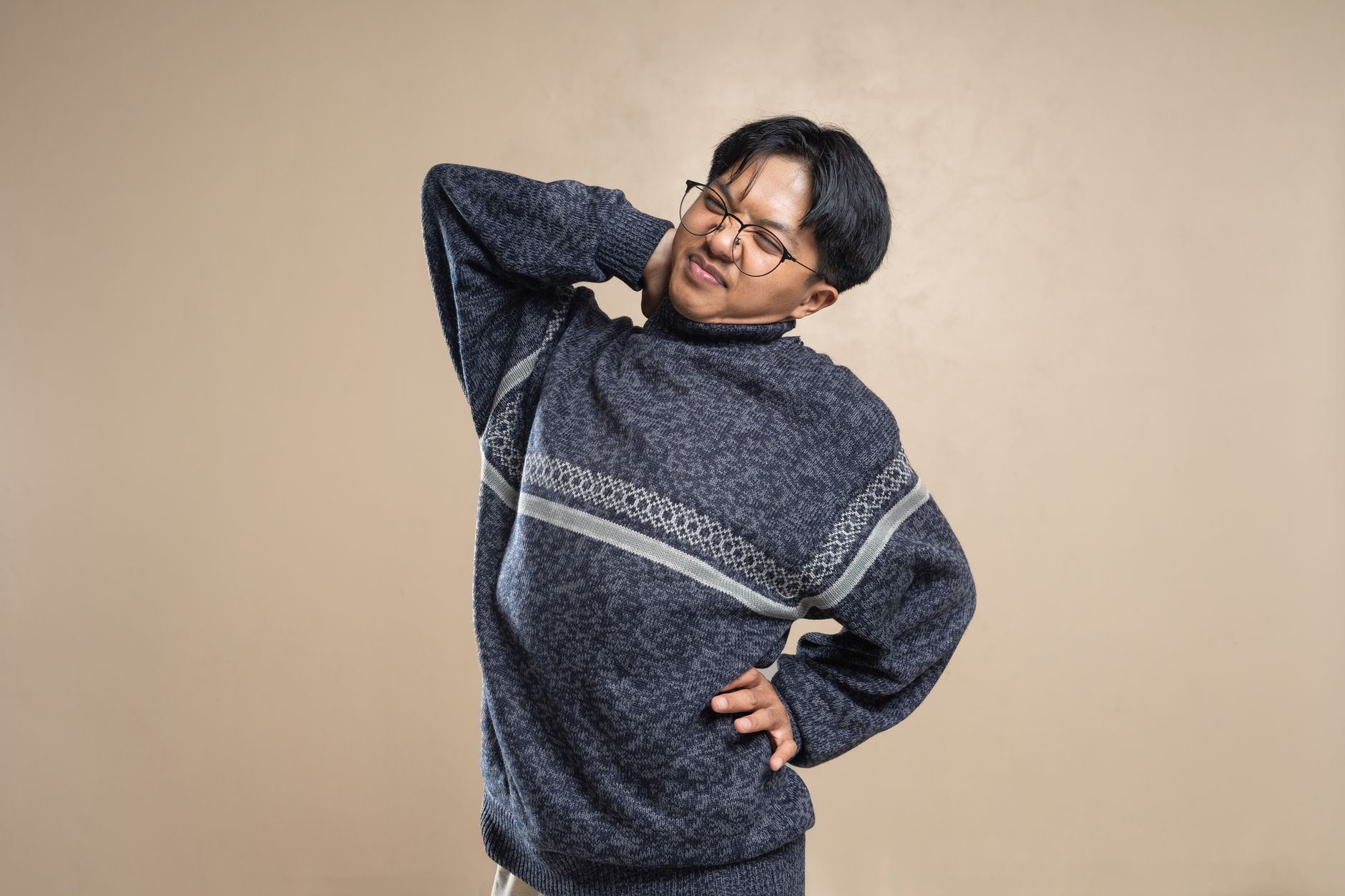
Gluteal tendinopathy and menopause share a connection that most women only discover after months of unexplained hip pain. The condition, involving degeneration of the tendons that attach the gluteal muscles to the greater trochanter of the hip, affects women at a rate roughly 4 times higher than men. The peak incidence falls squarely in the perimenopausal and postmenopausal years. That is not a coincidence.
What gluteal tendinopathy actually is
The gluteal tendons, specifically the gluteus medius and gluteus minimus, anchor to a bony prominence on the outer hip called the greater trochanter. When these tendons are repeatedly compressed or overloaded without adequate recovery, the tendon structure degrades. Pain sits on the outer hip and often radiates down the outside of the thigh. It gets worse sitting cross-legged, climbing stairs, or lying on the affected side at night.
It's commonly called "trochanteric bursitis" in older literature, but imaging studies have clarified that bursa inflammation is usually secondary. The tendon itself is the problem. Gluteal tendinopathy is the correct term, and the distinction matters because it changes how you treat it.
Why menopause makes tendons more vulnerable
Oestrogen doesn't just govern reproductive function. Oestrogen receptors sit on tendon cells throughout the body, and when oestrogen drops at menopause, tendons lose some of their structural support. The result is reduced collagen synthesis, slower repair, and a lower threshold before tissue stress tips into damage. This is part of the same mechanism driving frozen shoulder in perimenopausal and menopausal women, another tendon-adjacent condition that spikes in this demographic.
The gluteal tendons are particularly exposed. They operate under high compressive load whenever the hip is adducted (legs crossing the midline), and many women unknowingly adopt postures that do exactly that: standing with weight shifted onto one hip, sitting with knees together, walking with a narrow gait. Each of these positions compresses the tendon against the greater trochanter. Before menopause, oestrogen-supported tendon tissue can tolerate that load. After menopause, the tolerance window shrinks.
Body composition changes compound the problem. Reduced muscle mass around the hip, which collagen and connective tissue changes at menopause accelerate, means the tendons carry a greater share of load that muscle would otherwise absorb.
How it gets misdiagnosed
Gluteal tendinopathy is frequently mistaken for hip osteoarthritis, lumbar referred pain, or IT band syndrome. The location of pain overlaps with all three. Many women are sent for hip X-rays that show nothing remarkable, then told the problem is in their back, then sent for lumbar MRI. Years can pass.
The distinguishing features are specific. Pain is reproducible by direct palpation over the greater trochanter. A single-leg stance test will often provoke or worsen the pain. Hip internal rotation range of motion is typically preserved, which helps rule out intra-articular pathology. A properly ordered MRI of the hip, not the spine, will show tendon signal change or tearing if it's present.
Asking a clinician directly whether gluteal tendinopathy could explain the symptoms is a reasonable step. Many women have found it useful to bring a list of their specific pain triggers to the appointment.
What the evidence says about treatment
The most effective treatment for gluteal tendinopathy is progressive tendon loading. This means structured, gradually increasing exercise that teaches the tendon to tolerate compressive and tensile load again. Isometric exercises, like wall sits and single-leg isometric hip abduction holds, are typically the starting point because they generate tendon force without the compression that aggravates the injury.
A physiotherapist with musculoskeletal experience should supervise the loading program. The evidence for this approach, particularly the work from researchers including Jill Cook's tendinopathy research group, is robust. Cortisone injections provide short-term relief but do not address the underlying degeneration and can weaken tendon tissue with repeated use.
Posture modification is equally important and often underemphasised. Avoiding hip adduction positions is non-negotiable during the early rehabilitation phase. This means: don't sit with legs crossed, don't stand with weight on one hip, don't sleep with the top knee falling forward. These adjustments remove the compressive load that's aggravating the tendon while rehabilitation rebuilds its capacity.
Menopausal hormone therapy (MHT) may also play a supporting role. There is emerging evidence that oestrogen support improves tendon metabolism and recovery, which fits what's known about oestrogen receptors in tendon tissue. Women already considering MHT for other menopause symptoms should raise the question of musculoskeletal health, including tendon vulnerability, with their prescribing clinician.
How long recovery takes
Honest answer: longer than most people expect. Tendon remodelling is slow. Three to six months of consistent, correctly structured rehabilitation is a realistic timeframe for meaningful improvement. Some women see earlier gains; others, particularly those with significant tendon structural change on imaging, take longer.
The worst thing to do is rest completely. Tendons need load to adapt. Complete rest leads to further deconditioning of the tendon and surrounding muscle, which makes the eventual return to activity harder. The goal is modified, not eliminated, activity.
Running and high-impact activity can typically resume once isometric and isotonic loading is well tolerated and the pain response after exercise stays low. A physiotherapist can guide that transition with a structured return-to-sport or return-to-activity protocol.
What to ask your clinician
Three questions worth raising at any appointment for lateral hip pain in the menopausal years:
- Can we specifically assess the gluteal tendons, either clinically or with hip ultrasound or MRI?
- Is a progressive tendon loading program appropriate, and can you refer me to a physiotherapist who specialises in this?
- Given my menopausal status, is MHT something we should discuss in the context of musculoskeletal health?
Gluteal tendinopathy is painful and disruptive, but it responds well to the right approach. The key is getting the correct diagnosis before months of ineffective treatment erode confidence in recovery.