 feisty
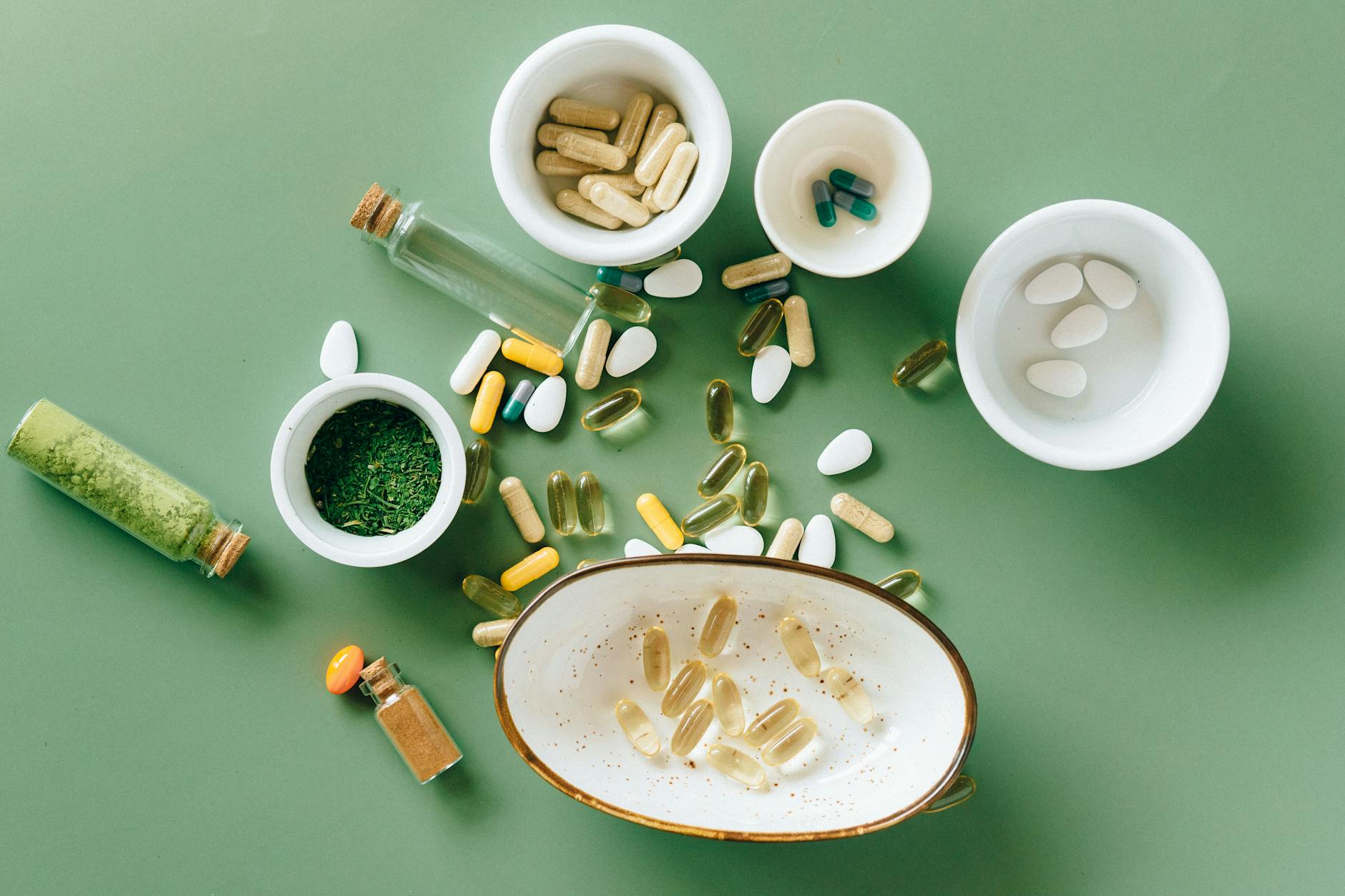
Supplements for menopause itchy skin are one of the most searched midlife health questions, and for good reason. The itch isn't dry weather or a new soap. Falling oestrogen thins the skin, reduces its natural oils, and disrupts the barrier that keeps moisture in. That combination produces a crawling, prickling sensation that can run from scalp to shins, and no amount of moisturiser fully fixes what is a hormonal problem. If you've already read about perimenopause itchy skin and why it happens, you'll know the mechanism. This list focuses on the supplements most likely to address it from the inside.
Why skin changes during menopause
Oestrogen directly regulates collagen production, skin thickness, and sebum output. When levels drop, the skin loses water faster and produces fewer lipids. The result is a compromised barrier that fires off itch signals even without an external trigger. The medical term is pruritus, and in menopausal women it can appear anywhere on the body, most commonly on the arms, legs, and trunk. It's worth knowing that some supplements act on the skin barrier directly, while others work by supporting the hormonal environment that keeps skin healthy. Neither is magic, but the right combination can close the gap.
7 supplements for menopause itchy skin worth trying
1. Evening primrose oil
Evening primrose oil contains gamma-linolenic acid (GLA), an omega-6 fatty acid that the body uses to produce prostaglandins, compounds that regulate inflammation and skin barrier function. Several small studies have found that GLA supplementation reduces skin sensitivity and dryness in women with low oestrogen. Standard doses run from 500 mg to 1,000 mg daily. It takes roughly 8 to 12 weeks to see a meaningful shift in skin texture.
2. Omega-3 fatty acids (fish oil)
Fish oil is well-studied for skin hydration. EPA and DHA, the active components in marine omega-3s, reduce inflammatory signalling in the skin and support the lipid layer that keeps water from evaporating. A 2021 review published in Nutrients found that omega-3 supplementation improved skin hydration and reduced transepidermal water loss in multiple trial populations. For itchy menopausal skin, 1,000 mg to 2,000 mg of combined EPA and DHA per day is the dose range most studies used. Algae-based omega-3 is a viable alternative for women who don't eat fish.
3. Collagen peptides
Collagen is the structural protein that gives skin its density and elasticity. Oestrogen loss accelerates collagen breakdown at a rate of about 2 percent per year in the first five years after menopause. Hydrolysed collagen peptides are small enough to be absorbed via the gut and have been shown in several randomised trials to increase skin hydration and elasticity. The connection between collagen and menopause skin changes is well documented. A dose of 5 g to 10 g daily, taken consistently for at least 12 weeks, appears to produce measurable results in skin barrier function.
4. Vitamin E
Vitamin E (tocopherol) is a fat-soluble antioxidant that protects skin cell membranes from oxidative damage and supports the skin's lipid barrier. It works synergistically with vitamin C, and several formulations combine the two. Topical vitamin E gets most of the attention, but oral supplementation at around 400 IU daily has shown benefit for skin dryness and sensitivity in menopausal women. Don't exceed 1,000 IU daily from supplements, as higher doses carry a small but real bleeding risk, particularly if you're on blood thinners.
5. Phytoestrogens (red clover isoflavones)
Phytoestrogens bind weakly to oestrogen receptors throughout the body, including in skin tissue. Red clover isoflavones are among the best-studied in this category. Products like Promensil provide standardised doses of biochanin A, formononetin, daidzein, and genistein. The evidence for skin-specific benefit is thinner than for hot flush relief, but some trials have found improvements in skin thickness and hydration in postmenopausal women taking isoflavones over 12 to 24 weeks. If itchy skin is one of several symptoms you're managing, phytoestrogens are a reasonable multi-target option.
6. Zinc
Zinc plays a direct role in skin repair and immune regulation. It supports wound healing, reduces skin inflammation, and helps regulate oil production. Menopausal women are not reliably deficient in zinc, but marginal status is common, particularly in women eating less red meat. A standard supplement dose is 15 mg to 25 mg elemental zinc daily. Take it with food to reduce nausea, and don't stack it with high-dose iron supplements, as the two compete for absorption. Zinc gluconate or zinc picolinate are better absorbed than zinc oxide.
7. Vitamin D
Vitamin D receptors are present in skin cells, and the vitamin plays a role in regulating the skin's immune response and barrier integrity. Deficiency is common in Australian women over 50, particularly those who avoid sun exposure. Low vitamin D has been associated with increased skin sensitivity and inflammatory skin conditions. The recommended supplemental dose for most women is 1,000 IU to 2,000 IU daily, though women with confirmed deficiency may need a higher therapeutic dose under medical supervision. A simple blood test tells you where you stand before spending money on supplements.
What to know before you buy
No supplement replaces medical hormone therapy if itchy skin is severe or significantly affecting sleep and daily life. Supplements work best as an adjunct, particularly for women with mild to moderate symptoms or those who prefer to manage without prescription medication. Start one supplement at a time so you can track what's actually working. Give each one at least 8 weeks before judging. And check for interactions if you're on any prescription medications, especially anticoagulants, as both fish oil and vitamin E affect clotting at higher doses.
The supplements listed here all have a reasonable evidence base and a known mechanism relevant to skin barrier function or oestrogen-related skin changes. That's a narrower and more useful filter than "natural" or "gentle," neither of which tells you anything about efficacy.