 feisty
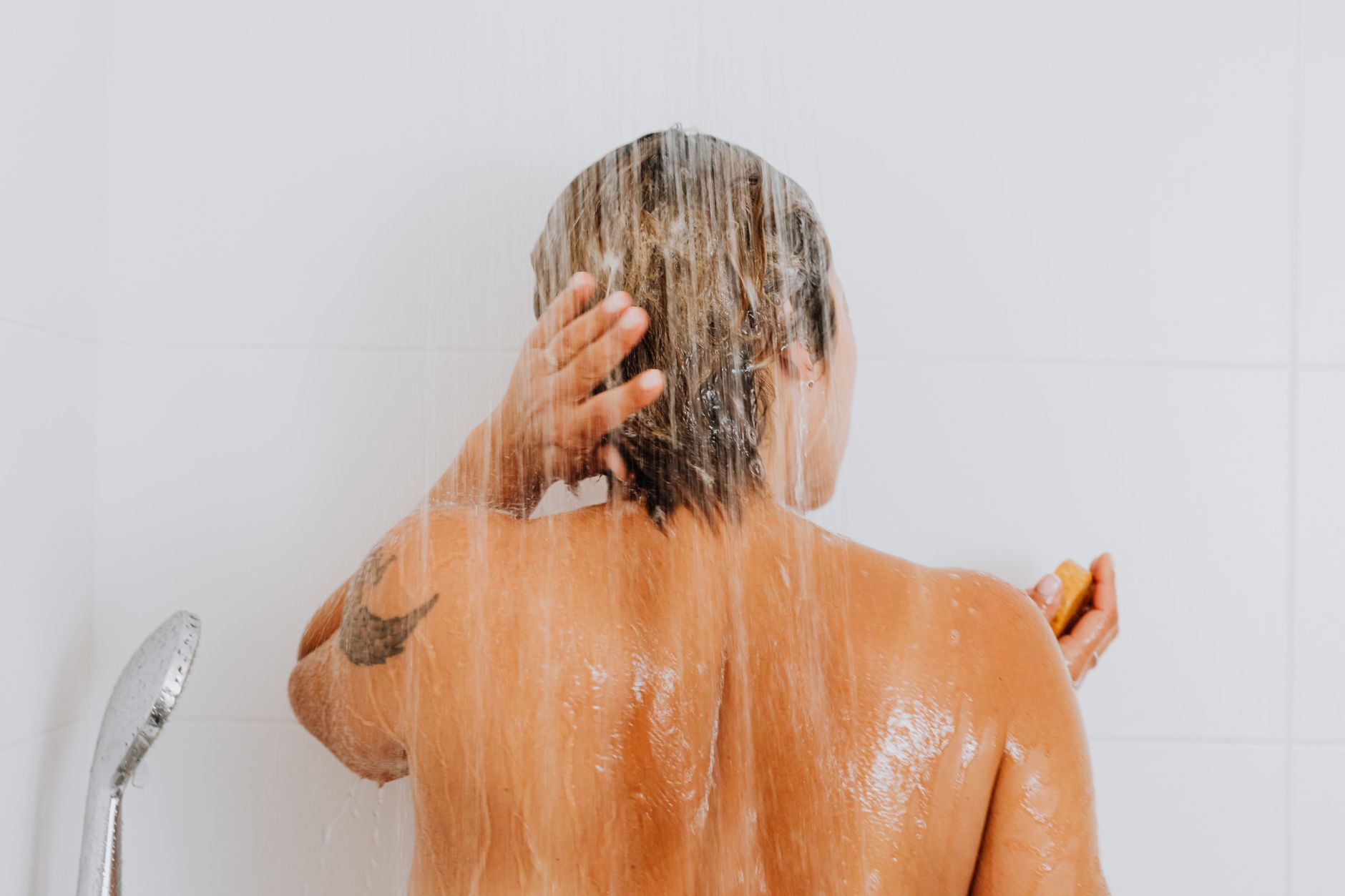
Menopause shampoo is everywhere right now. Pharmacy shelves, Instagram feeds, subscription boxes. The category has expanded fast, and so has the number of claims attached to it: thickening, volumising, hormone-supporting, follicle-stimulating. Some of those claims are real. A lot are not. The difference matters because menopause hair changes are driven by specific hormonal mechanics, and the products that actually help work on those mechanics directly.
Why menopause changes your hair in the first place
The core driver is oestrogen. During perimenopause and menopause, oestrogen levels fall, and with them goes one of the key hormones that keeps hair in its growth phase (anagen). At the same time, the relative influence of androgens, including testosterone, increases. That androgenic shift shortens the growth cycle and can shrink follicles over time, a process called follicle miniaturisation. The result is thinner strands, more shedding, and reduced overall density.
Oestrogen also supports scalp blood flow and sebum balance. When levels drop, the scalp can become drier, more sensitive, or more prone to inflammation. That's the environment a good menopause shampoo needs to address. It won't replace hormones, but it can reduce the inflammatory load on follicles and create better conditions for the hair you still have.
Ingredients worth paying for
Not all active ingredients in menopause-targeted shampoos are created equal. These are the ones with real evidence or plausible mechanisms:
- Caffeine. Applied topically, caffeine has been shown in peer-reviewed trials to penetrate the follicle and partially counter the effect of DHT (dihydrotestosterone), the androgen most associated with follicle miniaturisation. The Alpecin research program has produced some of the most cited work on this, though caffeine shampoos from other brands also carry evidence.
- Saw palmetto extract. This botanical blocks 5-alpha reductase, the enzyme that converts testosterone into DHT. The evidence for oral saw palmetto in androgenic hair loss is reasonably strong. Topical use is less studied but biologically plausible.
- Biotin-enriched formulas. Biotin (vitamin B7) supports keratin production. Most people get enough from diet, but deficiency is not rare in midlife women, and topical biotin in a conditioning shampoo does no harm and may help.
- Ketoconazole. Originally an antifungal, ketoconazole shampoos (most commonly 1–2% concentration) reduce scalp inflammation and also appear to have a mild anti-androgenic effect on the follicle. It's one of the more evidence-backed options.
- Niacinamide (vitamin B3). Improves scalp microcirculation and reduces inflammation. Useful for the dry, reactive scalp that commonly accompanies menopause.
What to avoid
Sulphates strip the scalp of natural oils. For a scalp that's already drier due to falling oestrogen, a sulphate-heavy shampoo adds stress. It won't cause hair loss on its own, but it doesn't help.
Fragrances are worth watching too. Synthetic fragrance is one of the more common contact allergens, and scalp sensitivity increases for many women during perimenopause. If you've noticed your scalp reacting to products it used to tolerate, fragrance is the first place to look.
Skip anything that leads with "hormone-balancing" on the front label but buries a vague herbal blend in the ingredients list. The claim isn't regulated. No topical shampoo balances hormones in any clinically meaningful sense. That work, if it's indicated, happens systemically, through treatments like MHT.
How to use a menopause shampoo properly
Contact time matters more than most people realise. With caffeine and ketoconazole shampoos especially, two to three minutes of lathered contact with the scalp before rinsing is enough to allow absorption. Rinse immediately and you've largely wasted the active ingredient.
Frequency depends on the formula. Ketoconazole shampoos are generally used two to three times a week, not daily. Daily use of any medicated shampoo can disrupt scalp microbiome balance over time. For daily washing, alternate with a gentler, sulphate-free formula.
Temperature matters. Hot water increases scalp inflammation and can worsen shedding in already-stressed follicles. Lukewarm is better. It's a small adjustment that costs nothing.
What shampoo can't do
It's worth being direct about the ceiling here. Topical shampoo can reduce inflammation, support scalp health, and slow follicle miniaturisation at the margins. It cannot reverse significant hair loss once follicles have been inactive for an extended period. It cannot replace systemic hormone support if that's what the underlying biology needs.
If shedding is severe or happening fast, the conversation belongs with a GP or a trichologist, not a shampoo aisle. There are also causes of menopause-era hair loss that shampoo does nothing for: thyroid dysfunction, iron deficiency, and autoimmune alopecia all require investigation and appropriate treatment. A shampoo swap won't touch any of them.
For women managing broader menopause hair loss, a topical product is one piece of a larger picture that might include nutrition, MHT, minoxidil, and scalp massage. The shampoo is worth getting right. It just isn't the whole answer on its own.
Specific products worth trying in Australia
Alpecin Caffeine Shampoo is widely available in Australian pharmacies and chemist chains, and the caffeine research behind it is genuine. Nizoral (ketoconazole 1%) is a pharmacy staple that doubles as a hair-loss support tool and costs well under $20. For a gentler daily option, Revitalash Thickening Shampoo and Nioxin's scalp-focused range both avoid sulphates and include niacinamide. These aren't miracle products. They're solid, evidence-adjacent choices that do what they say on the label.
The best menopause shampoo is the one with real active ingredients, used consistently, as part of a broader approach. Find one with caffeine or ketoconazole, check the contact time instructions, and pair it with a scalp you're actually taking care of.