 feisty
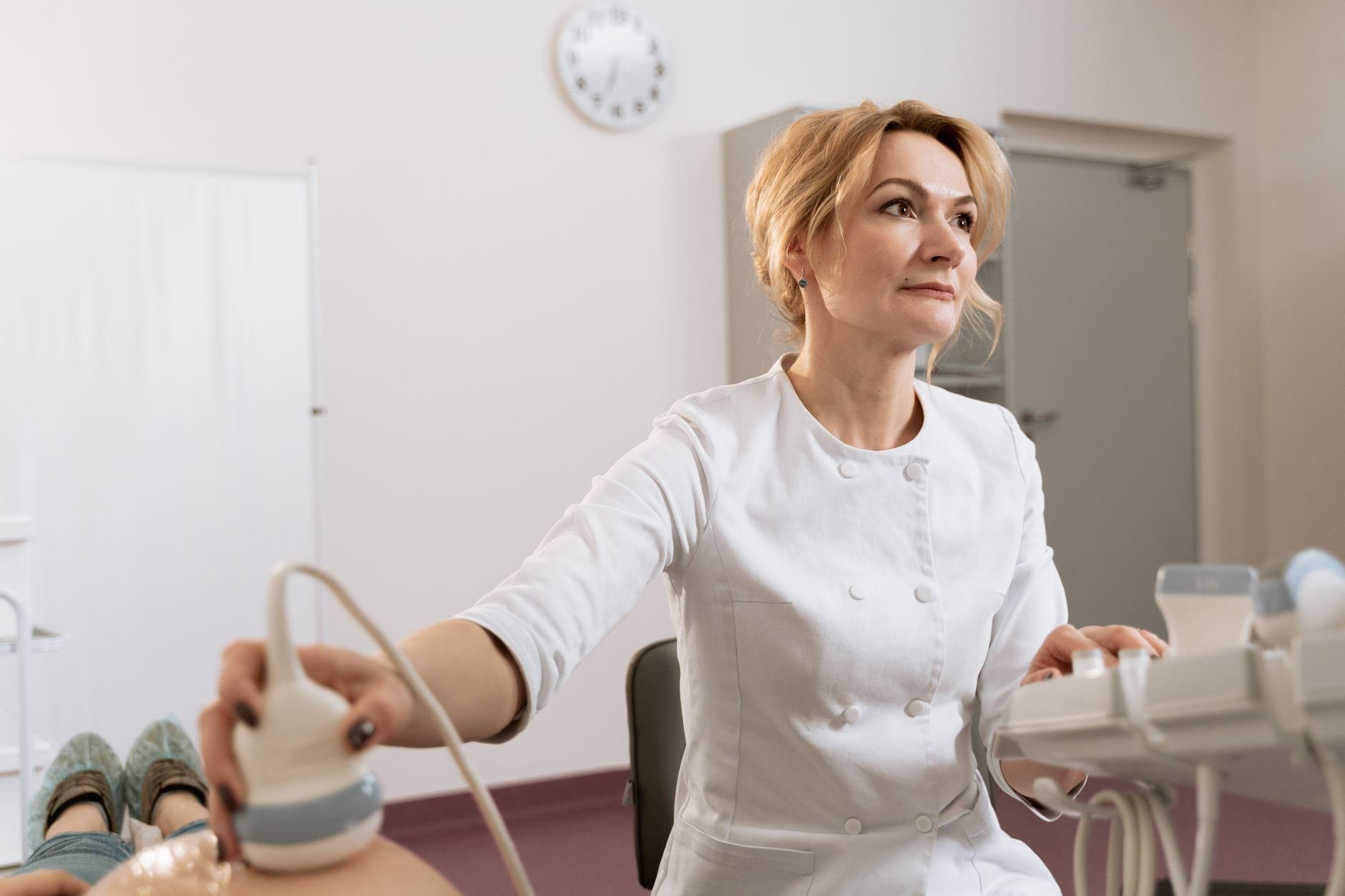
The Jean Hailes clinic sits at the centre of women's health in Australia in a way that few other services do. Jean Hailes for Women's Health operates specialist clinics in Melbourne and provides a national network of affiliated practitioners, free health information, and structured tools for women navigating perimenopause, menopause, polycystic ovary syndrome, endometriosis, and related conditions. If you've landed here from a symptom search, or a GP who said "check Jean Hailes," here's what you'll actually find.
What the Jean Hailes clinic is and who runs it
Jean Hailes for Women's Health is a not-for-profit organisation founded in 1992. The clinical side operates from East Melbourne, with a multidisciplinary team that includes gynaecologists, endocrinologists, psychologists, dietitians, and nurse practitioners. The clinic specialises in conditions that sit at the intersection of hormones, reproductive health, and general wellbeing: menopause, perimenopause, PCOS, sexual health, vulval conditions, and mental health in the context of hormonal change.
The organisation is also federally funded to produce evidence-based women's health resources, which is why the Jean Hailes website is one of the few consumer health sources that Australian GPs regularly recommend. The clinic and the resource hub are separate arms of the same organisation. Visiting the clinic means seeing clinicians; using the website means accessing research-backed information. Both are useful. They serve different needs.
What a Jean Hailes clinic appointment covers
Appointments at the Jean Hailes clinic are not GP visits. They're specialist consultations, usually lasting 45 to 60 minutes, built around a specific condition or symptom cluster. Most patients arrive with a referral, though the pathway depends on the type of appointment being sought.
The clinic sees a high volume of women in perimenopause and menopause who haven't been able to get adequate time or answers from general practice. A menopause consultation typically covers symptom history, hormonal and metabolic blood work, mental health screening, bone density risk, cardiovascular risk, and a treatment discussion that includes both menopausal hormone therapy options and non-hormonal approaches. The clinic doesn't push a single treatment pathway; the consultation is designed to produce a plan tailored to the individual woman's symptom profile and health history.
Psychologist appointments are available separately and can be booked alongside medical consultations. Jean Hailes psychologists work specifically in women's health, which means consultations address the psychological dimensions of hormonal transitions rather than treating menopause as a sidebar to a general mental health conversation.
The Jean Hailes menopause tools and how they connect to the clinic
Jean Hailes produces several clinical tools that women use before or between appointments. The best known is the menopause symptom checklist, which prompts women to map physical, psychological, and urogenital symptoms before seeing a clinician. If you've already used the Jean Hailes menopause checklist, you're familiar with how it structures a conversation that might otherwise run out of time. Bringing a completed checklist to a Jean Hailes clinic appointment compresses the intake process and gives the clinician a clearer picture faster.
The organisation also publishes condition-specific guides, fact sheets, and a health week each year that runs public events and free education sessions. These resources don't replace the clinic. They prepare women to use the clinic more effectively.
How to get an appointment
The Jean Hailes clinic accepts referrals from GPs and specialists. For most appointments, a GP referral is required to access Medicare rebates. Self-referral is possible for some services, but out-of-pocket costs apply without a referral. Wait times vary. The clinic is in demand, and specialist wait times in Australia's women's health sector are not short. Booking early is the practical advice.
The clinic's main location is in East Melbourne. Women outside Victoria can access the national network of Jean Hailes affiliated practitioners, which Jean Hailes maintains and publishes on its website. These affiliated practitioners work in general practice and specialist settings and have completed Jean Hailes education programs, though they operate independently from the Melbourne clinic.
Telehealth appointments have been available since 2020 and remain an option for women in regional and rural areas, subject to appointment type. Not all specialist consultations translate well to telehealth, so it's worth checking at the time of booking.
What Jean Hailes covers that many GP visits don't
The most common reason women seek out the Jean Hailes clinic after years of general practice is time. A standard GP appointment in Australia runs 15 minutes. Perimenopause and menopause are not 15-minute conditions. Symptoms are numerous, overlapping, and often dismissed. Jean Hailes clinic appointments are structured to give that time back.
The clinic also covers conditions that many GPs see infrequently: vulvodynia, genitourinary syndrome of menopause (GSM), and the psychological effects of surgical menopause, for example. These aren't niche concerns. They affect a large number of women who simply haven't found a clinical home for them in general practice.
The dietitian service is worth naming specifically. Nutrition in perimenopause and menopause changes in ways that generic dietary advice doesn't address. A Jean Hailes dietitian works within the hormonal and metabolic context of midlife, which produces different recommendations from standard weight-loss or heart-health guidance.
How to prepare for a Jean Hailes clinic visit
Arrive with documentation. Bring any recent blood results, including FSH, oestradiol, thyroid function, and a fasting lipid panel if you have one. Bring a list of current medications and supplements. If you've been tracking symptoms, bring that too. Jean Hailes clinicians are efficient, but they can only work with what you bring them.
Ask your GP to write a detailed referral. A referral that says "menopause query" gives the specialist less to work with than one that lists your symptoms, current medications, and relevant history. It's reasonable to ask your GP to be specific.
The Jean Hailes menopause hub on the organisation's website is worth reading before your appointment. It covers the full scope of what the clinic addresses and will help you frame your own questions. Women who arrive knowing what they want to ask get more from their appointments. That's not a Jean Hailes observation. It's how specialist consultations work everywhere.
The broader picture
Jean Hailes for Women's Health is federally funded precisely because the gaps in Australian women's healthcare are real and documented. The clinic exists because general practice, structured the way it is, cannot always fill them. It doesn't replace your GP. It supplements what general practice can't provide, and it does that through specialist time, multidisciplinary care, and a clinical culture built specifically around women's health rather than adapted from a general model.
If you've been waiting for a referral or building up the courage to ask for one, the evidence is on your side. Book early.