 feisty
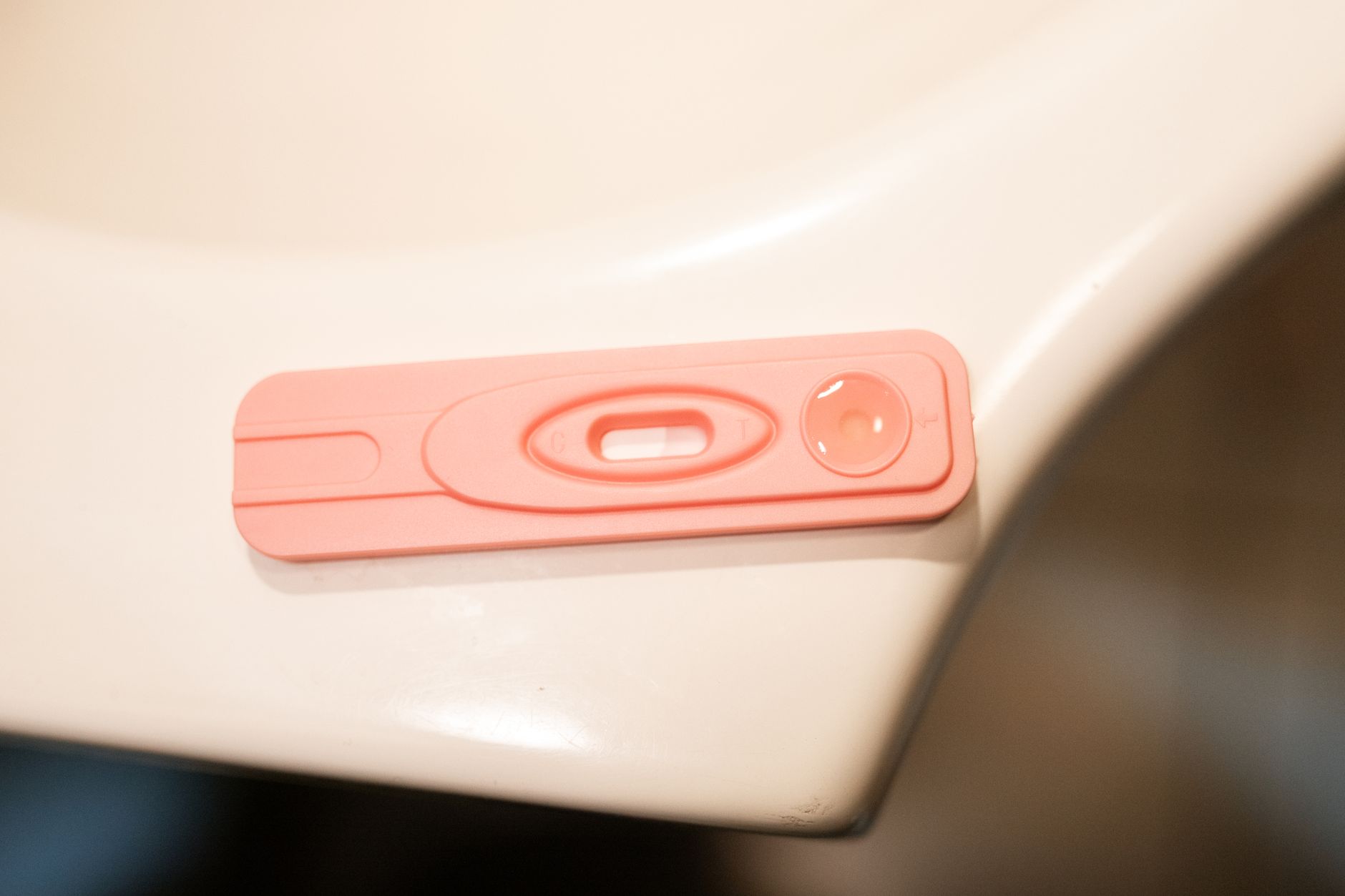
Can you get pregnant after menopause? The short answer is no, not naturally. Once a woman has gone 12 consecutive months without a period, she has reached menopause, and her ovaries have stopped releasing eggs. No egg means no pregnancy without medical intervention. But the question is worth unpacking carefully, because the biology of the years leading up to that point is far more complicated than most women are told.
What menopause actually means for fertility
Menopause is defined as a single moment in time: the 12-month anniversary of a woman's last period. Everything before that point is perimenopause. Everything after it is post-menopause. The distinction matters for fertility because perimenopause, which can last anywhere from 2 to 10 years, is a phase of irregular ovulation, not absent ovulation. Eggs are still being released. Pregnancy is still biologically possible. Women in their mid-to-late 40s who assume their fertility is gone often discover otherwise.
After menopause is confirmed, the ovaries stop ovulating entirely. Natural conception requires an egg, and there isn't one. That door closes.
What about assisted reproduction?
Pregnancy after confirmed menopause is only possible through assisted reproduction using donor eggs. In vitro fertilisation (IVF) with a donor egg can work because the uterus retains its ability to carry a pregnancy even after the ovaries shut down. Hormone therapy prepares the uterine lining, a fertilised donor egg is transferred, and in some cases the pregnancy proceeds to term. This is not common, and it carries significant risks, particularly in women over 50. Cardiovascular stress during pregnancy, higher rates of gestational hypertension and caesarean delivery, and the health of the mother's post-menopausal body are all serious clinical considerations.
Clinics in Australia do offer donor egg IVF to post-menopausal women, but most set upper age limits around 50 to 55. The Your Fertility resource, backed by the Australian Government, outlines how age affects fertility outcomes and what assisted reproduction options are available to Australian women.
The perimenopause pregnancy risk most women miss
This is where the real public health gap sits. Women in perimenopause often stop using contraception because they assume they're no longer fertile. Irregular periods feel like the end of fertility. They're not. Ovulation is unpredictable during perimenopause, not absent. A woman can go three months without a period and then ovulate unexpectedly.
Australian clinical guidelines recommend that women continue using contraception until they have been period-free for 12 months if they're over 50, or for 24 months if they're under 50. Those numbers are conservative for good reason. An unplanned pregnancy during perimenopause carries higher risks than a pregnancy in a woman's 30s, including elevated rates of chromosomal abnormalities, gestational diabetes, and pregnancy loss.
If you're navigating this transition and want to understand what's happening hormonally, the detail in our guide to being perimenopausal and what it means for your body is a useful place to start. The hormonal picture in perimenopause is more volatile than most women expect.
Signs you're still in perimenopause, not post-menopause
The clearest sign is that you're still getting periods, even if they're infrequent or irregular. But there are other indicators worth knowing:
- Cycles that vary by more than 7 days from their usual length
- Skipped periods followed by a return of bleeding
- Hot flushes and night sweats alongside continued (if irregular) periods
- Elevated FSH (follicle-stimulating hormone) on a blood test, without 12 consecutive months of no periods
FSH testing is often used to estimate where a woman sits in the menopausal transition, but a single elevated FSH result does not confirm menopause. Hormone levels fluctuate during perimenopause, and a test taken one month can look very different from one taken three months later. Your GP or a menopause specialist is the right person to interpret those results in context.
Contraception options during perimenopause
Not every contraceptive works the same way in the perimenopausal years. Hormonal options, including the combined oral contraceptive pill and the hormonal IUD, remain effective and have the added benefit of regulating bleeding and managing some perimenopausal symptoms. The combined pill is generally not recommended for women over 50 due to cardiovascular risk, but the progestogen-only pill and the hormonal IUD are considered appropriate options for many women in their late 40s. Barrier methods remain effective regardless of age.
The intersection of contraception and menopausal hormone therapy is worth discussing with a doctor, since some forms of hormone therapy do not provide contraceptive protection. Our overview of estrogen supplements available in Australia covers the difference between therapeutic hormone products and contraception, which are not the same thing and should not be treated as interchangeable.
The emotional complexity of fertility at this stage
For some women, the closing of the fertility window arrives with grief. For others, it's a relief. Many women land somewhere between the two, and that complexity rarely gets acknowledged in clinical consultations that focus on symptom management. Perimenopause and early menopause can coincide with a period of significant identity renegotiation, particularly for women who had not finished building their families, or who are processing that they won't.
Fertility counsellors and psychologists who specialise in reproductive loss can be useful resources during this period. Women who are considering donor egg IVF after menopause are also generally required to undergo psychological assessment as part of the clinical process at Australian fertility clinics, which reflects the seriousness with which the decision is treated.
The bottom line
Natural pregnancy after confirmed menopause is not possible. Pregnancy during perimenopause absolutely is, and it catches women off guard far more often than the statistics suggest. Donor egg IVF after menopause is technically possible but carries real risks and is subject to clinical age limits. The most important thing a woman in her late 40s can do is not assume she knows where she sits in the transition. An irregular period is not the same as no fertility. Until 12 consecutive period-free months have passed, contraception remains relevant.