 feisty
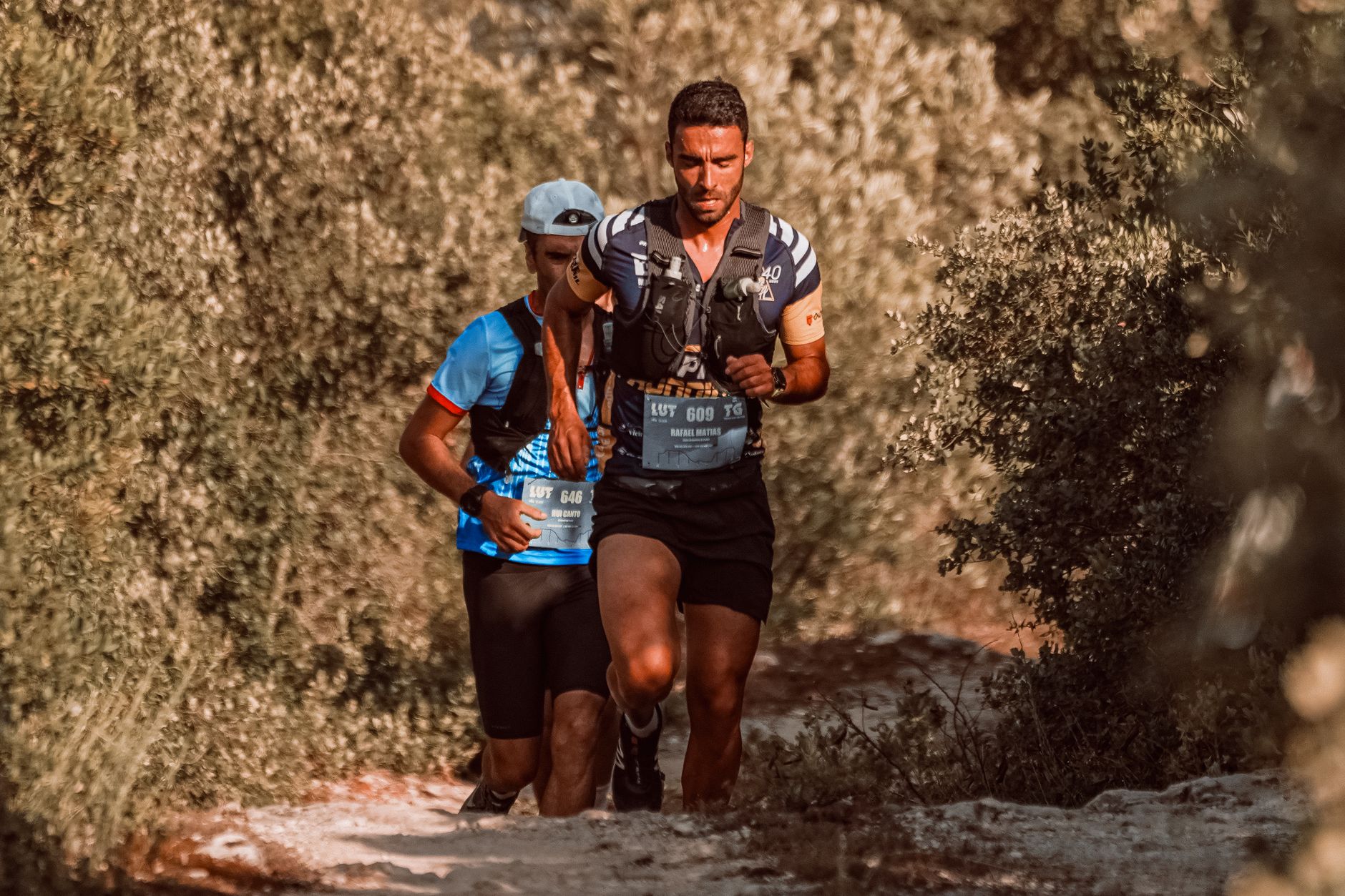
Trail Society is a podcast for trail runners who want more than motivational filler. It covers the sport at a serious level, with guests who race, coach, and think hard about what it means to run off-road. If you've scrolled past yet another "just get outside!" episode on another show, Trail Society is a different experience.
What Trail Society actually covers
Each episode of Trail Society sits at the intersection of performance and culture. Hosts dig into training structure, race strategy, gear decisions, and the mental load of chasing long-distance goals on technical terrain. The conversations are specific. You'll hear athletes talk about their actual training weeks, not highlight reels.
The show doesn't avoid hard topics. Fuelling on ultra-distance efforts, injury management, the tension between ambition and recovery, and the economics of racing all get real airtime. That specificity is what separates Trail Society from shows that stay safely surface-level.
Who the show is for
Trail Society is built for runners who are already in it. You don't need to be a podium finisher to get value from the episodes, but the show assumes you know a tempo run from a long effort and that you've probably already signed up for something that scares you a little.
Women who trail run will find Trail Society particularly relevant. The sport has shifted in the past decade, and female athletes now make up a significant share of trail and ultra fields. Trail Society reflects that, featuring women racers and coaches in substantial roles rather than as occasional guests.
For women navigating midlife alongside big athletic goals, this pairs well with other Feisty content. The Hit Play Not Pause podcast addresses what happens to performance during perimenopause and beyond, and the two shows complement each other closely for anyone training hard through hormonal transition.
The trail running culture thread
Trail running has a culture problem that most insiders acknowledge and few shows address directly: the sport can feel insular, gear-obsessed, and quietly competitive about who's "really" a trail runner. Trail Society pokes at those tensions without preaching.
Episodes have explored access to trails, the cost of racing internationally, and what it takes for a new runner to feel like they belong on technical mountain routes. That kind of honest examination of the sport's culture makes Trail Society useful even on weeks when you're not deep in a training block.
Training insights that carry over to the road
Even runners who primarily race on roads pick up useful material from Trail Society. The conversations on periodisation, fatigue management, and the mental side of racing translate directly. Trail running demands a higher tolerance for uncertainty than road racing does, and the coping strategies guests describe work across surfaces.
If you're already thinking about how exercise intensity interacts with recovery, the best HIIT workouts for menopausal women covers related ground from a structured training perspective worth pairing with Trail Society's more anecdotal approach.
How to start listening
Trail Society is available on all major podcast platforms. New listeners are best served by searching the back catalogue for guests whose events or distances match their own goals. A 50K runner will get different things from the episode archive than someone training for a 100-miler, and the search function on most apps makes it easy to find relevant episodes fast.
Trail Society releases new episodes regularly, so subscribing means you won't miss timely race-season conversations. The production is clean, the episodes run long enough to cover real depth, and the hosts don't pad time with recaps of what you just heard.
It's a show that respects the listener's intelligence. That's rarer than it should be.