 feisty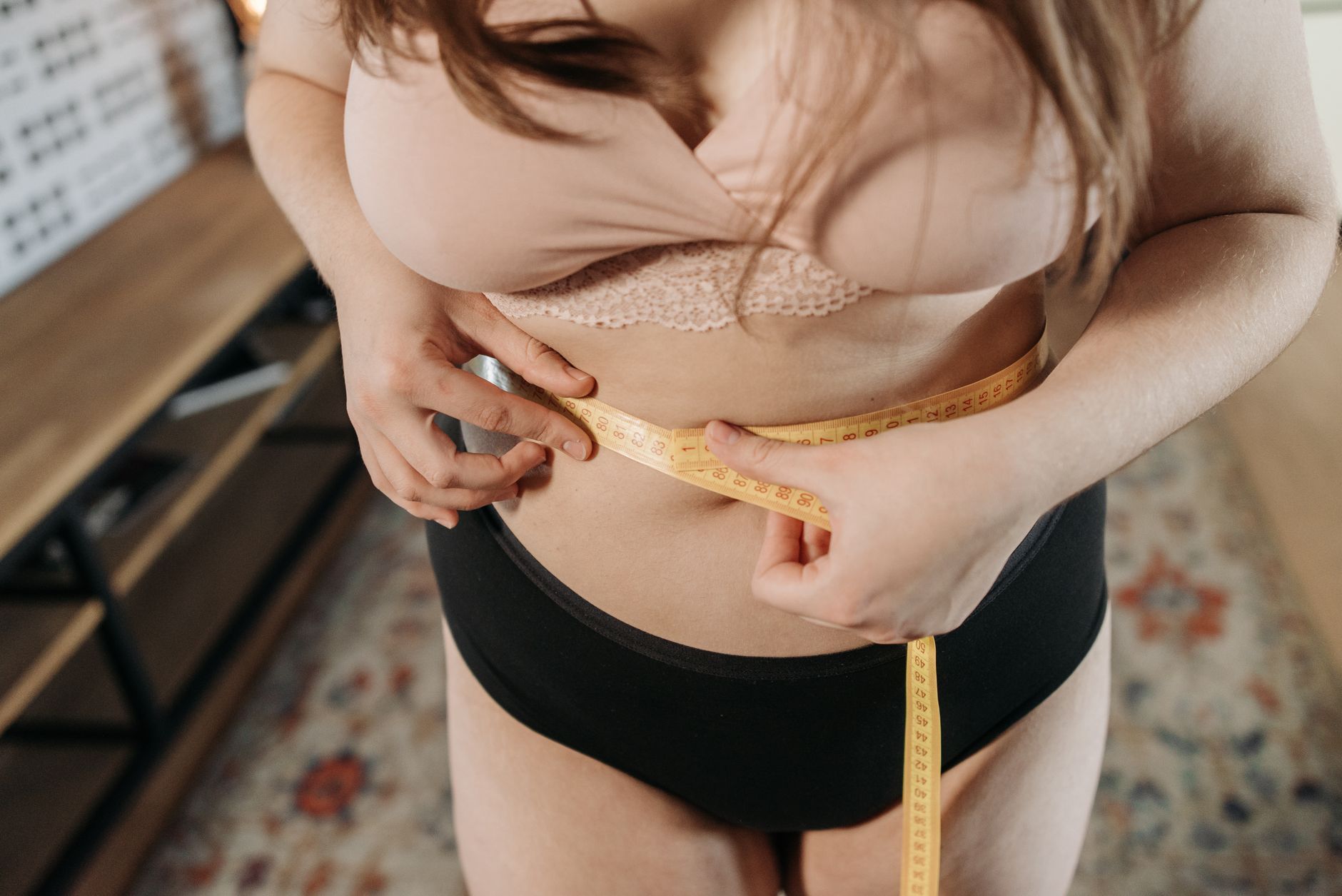
Perimenopause weight gain is not a willpower problem. For women in their 40s and early 50s, the body is responding to a real hormonal shift: oestrogen levels become erratic, progesterone drops, and the metabolic signals that once kept weight stable start misfiring. The result is weight gain, particularly around the abdomen, that doesn't respond the way it used to. Same calories. Different outcome.
What's actually driving the weight gain
Oestrogen plays a far bigger role in body composition than most people realise. When oestrogen levels fall or fluctuate, the body compensates by pulling more energy from muscle tissue and storing more fat, especially visceral fat around the organs. That shift in fat distribution is why waist circumference tends to increase during perimenopause even when total body weight barely moves.
Cortisol compounds the problem. Poor sleep, which is one of the most common perimenopause symptoms, keeps cortisol elevated. Elevated cortisol keeps the body in a fat-storage state, particularly around the belly. So the weight gain and the poor sleep aren't separate problems. They're feeding each other.
Muscle mass also declines faster in perimenopause than at any earlier point in life. Less muscle means a lower resting metabolic rate: the body burns fewer calories at rest, even if activity levels haven't changed. This is why women in perimenopause often feel like the same lifestyle is producing a different body.
Why the belly specifically
Abdominal fat accumulation is the most common complaint, and it's the one most women find hardest to address. Before perimenopause, oestrogen directs fat storage toward the hips and thighs. As oestrogen declines, that direction changes. Fat migrates inward and upward. The shift isn't cosmetic: visceral fat is metabolically active in ways that subcutaneous fat isn't, and it raises cardiovascular and metabolic risk. The stakes here go beyond appearance. For a fuller look at the strategies that target this specifically, the guide to losing belly fat after 40 covers what the evidence actually supports.
What doesn't work (and why)
Standard calorie restriction, applied without any other change, tends to backfire in perimenopause. Cutting calories aggressively signals the body to lower its metabolic rate further. It also accelerates muscle loss, which worsens the problem over the long term. Women who cut hard and fast typically regain the weight quickly, with a higher proportion of fat each time.
Cardio-only exercise has the same limitation. Long, steady-state cardio sessions don't preserve muscle. They can even increase cortisol, particularly in women who are already sleep-deprived or stressed. This isn't an argument against cardio. It's an argument for not relying on it alone.
What actually helps
Strength training is the single most evidence-backed intervention for perimenopausal weight gain. Lifting heavy weights builds and preserves muscle, raises resting metabolic rate, improves insulin sensitivity, and reduces visceral fat. Two to three sessions per week targeting the major muscle groups produces measurable results within 8 to 12 weeks. The weight has to be genuinely challenging: light resistance bands don't produce the same hormonal response.
Protein intake matters more in perimenopause than at any earlier point. Muscle protein synthesis becomes less efficient with age, so the body needs more dietary protein to produce the same amount of muscle. Most women in perimenopause are eating far less protein than they need. A target of 1.6 to 2.0 grams of protein per kilogram of bodyweight is what the evidence supports for muscle retention in this life stage.
Sleep is non-negotiable. It isn't a soft lifestyle recommendation. Chronic short sleep raises ghrelin (the hunger hormone), suppresses leptin (the satiety signal), and keeps cortisol high. Addressing sleep disruption, whether through behavioural strategies, HRT, or both, directly improves the hormonal environment for weight management. The research on sleep timing points to the 10 to 11 pm window as particularly relevant for hormonal health.
Hormone replacement therapy also has a direct role for women who are eligible. HRT doesn't cause weight gain (a persistent myth). It maintains oestrogen signalling, which preserves lean mass and reduces visceral fat accumulation. For women who are good candidates, the Australasian Menopause Society provides detailed guidance on current prescribing standards and what the evidence supports.
The mindset shift that matters
Perimenopause weight gain isn't a sign that something has gone wrong with effort or discipline. It's a sign that the body's rules have changed. The strategies that work treat it as a hormonal and metabolic issue, not a behavioural one. Strength training, adequate protein, better sleep, and (where appropriate) hormonal support form the foundation. Dramatic calorie cuts and excessive cardio don't belong in that list.
Women who adjust their approach based on the new physiology, rather than fighting it with tools designed for a different body, consistently get better results. The body isn't broken. The instruction manual just changed.