 feisty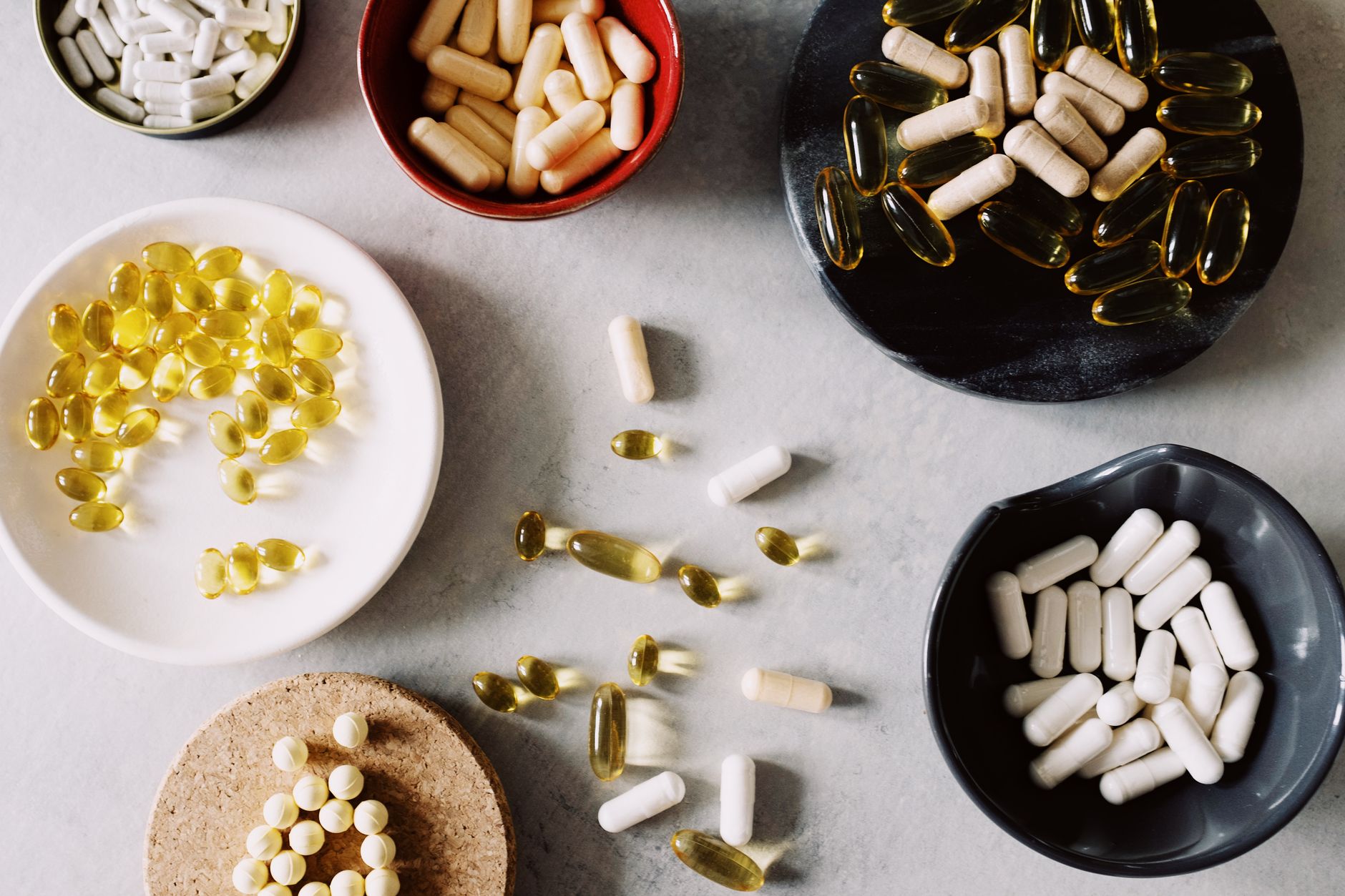
Ostelin menopause support sits on the shelves of almost every major Australian pharmacy, and it's one of the first products women reach for when symptoms start. It's positioned as a targeted supplement for midlife women, combining vitamin D, calcium, and a handful of other nutrients in a single dose. Whether it earns that position depends on what you're expecting it to do.
What Ostelin menopause support actually contains
The core formula centres on vitamin D3 and calcium, which makes sense: oestrogen helps the body absorb calcium efficiently, and when oestrogen drops during perimenopause and menopause, bone density can fall noticeably fast. Women in their late 40s and 50s lose bone at roughly 1 to 3 percent per year in the first years after menopause, so getting adequate calcium and vitamin D isn't a wellness trend. It's a real preventive measure.
Ostelin includes 1000 IU of vitamin D3 per dose alongside calcium. Some formulations of the product also add magnesium, which supports muscle function and sleep quality. Two things midlife women reliably need. The label is worth reading carefully because the Ostelin range spans several products, and the specific Menopause Support formulation differs from the standard Vitamin D capsules the brand is best known for.
What the product doesn't contain is worth noting too. It isn't a phytoestrogen supplement. It won't deliver isoflavones from red clover or black cohosh. It won't replicate what HRT for menopause does hormonally. Ostelin menopause support is a bone and nutrient supplement, not a symptom-relief formula. That's a meaningful distinction if you're buying it hoping to address hot flushes.
What the evidence says about each ingredient
Vitamin D3 is one of the better-studied supplements on the market. Australian women are frequently deficient because sun avoidance is common and dietary sources are limited. A deficiency is associated with fatigue, low mood, and poor calcium absorption. For menopausal women specifically, correcting a vitamin D deficiency has shown measurable benefit for bone mineral density in clinical studies.
Calcium supplementation is more nuanced. Food-sourced calcium is consistently better absorbed than supplemental calcium, and high-dose calcium supplements have been associated with a modest increase in cardiovascular risk in some large studies. The doses in Ostelin menopause support are moderate, not the 1200 mg-plus that triggered concern in those trials. Eating calcium-rich foods first and using a supplement to fill the gap is the approach most Australian dietitians now recommend.
Magnesium, where included, has genuine evidence behind it for sleep and muscle cramping, both of which worsen during perimenopause. It's not a dramatic fix, but a deficiency is surprisingly common and easy to correct. If you're experiencing perimenopause symptoms like broken sleep and muscle tension, magnesium is one of the more defensible additions to a supplement routine.
How it compares to other Australian menopause supplements
The menopause supplement shelf is crowded in Australia. Swisse Menopause Balance takes a different approach, leading with phytoestrogens and herbal extracts. Ostelin leads with micronutrients. Neither approach is wrong. They're targeting different problems.
If bone density is the primary concern, Ostelin's vitamin D and calcium combination is well-matched to the need. If hot flushes, night sweats, or mood changes are driving the purchase, a product like Ostelin menopause support is unlikely to move the dial much, and that's not a criticism of the brand. It's just not what this formula is designed to address.
Price is reasonable by Australian pharmacy standards. A month's supply typically sits between $20 and $30, which is competitive. It's widely available through Chemist Warehouse, Priceline, and most independent pharmacies without a prescription.
Who benefits most from taking it
Women who are confirmed vitamin D deficient, which a GP can check with a standard blood test, will benefit most. Women with a family history of osteoporosis or who have had low bone density flagged on a DEXA scan have a clear reason to prioritise both vitamin D and calcium. Women who don't get much direct sun and don't eat dairy regularly are also strong candidates.
Women who are already getting adequate vitamin D through sun exposure and eating calcium-rich foods daily may see less benefit. Supplementation works best where there's a gap to fill. The supplement doesn't create a new effect; it restores an adequate level.
One practical point: take calcium-containing supplements with food for better absorption and to reduce the small risk of digestive discomfort. Vitamin D is fat-soluble, so taking it alongside a meal that contains some fat also improves uptake.
What Ostelin menopause support won't do
It won't resolve hot flushes. It won't stop night sweats. It won't restore libido, improve brain fog, or lift mood in the way that addressing the underlying hormonal shift can. If those are the symptoms driving someone to the supplement aisle, the honest conversation is about other options, including HRT, lifestyle strategies, and clinically supported herbal preparations.
The product does what it says on the label. Bone support, nutrient replenishment, vitamin D. For that specific job, the formula is sensible and the evidence is reasonable. That's enough to make it worth taking for the right person. It's not enough to make it a complete menopause solution on its own.
Talking to a GP before starting any supplement routine is worth the appointment, especially if there are existing health conditions or medications in the mix. Vitamin D toxicity from supplementation is rare but possible at very high doses, and a blood test makes it easy to know whether supplementation is actually needed.