 feisty
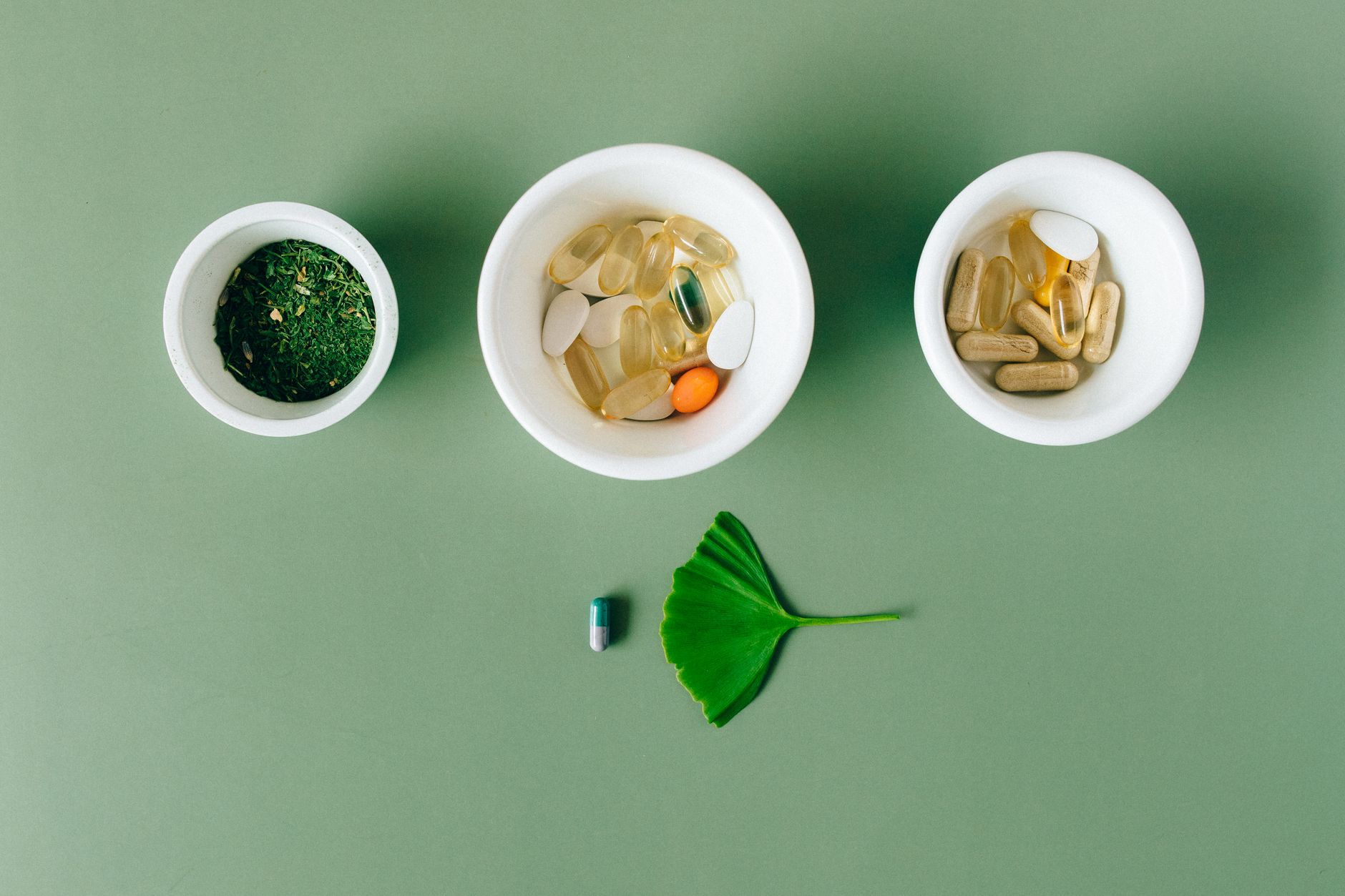
Natural menopause treatment sits at the crossroads of genuine science and aggressive marketing, and telling the two apart takes some work. Hot flushes, disrupted sleep, mood swings, and joint pain are real symptoms driving real demand, and plenty of products fill that demand without much evidence. But some non-hormonal, non-prescription approaches have been studied properly. The 9 below have enough clinical data to be worth taking seriously, alongside honest notes on what they can and can't do.
1. Cognitive behavioural therapy (CBT)
CBT consistently outperforms placebo in clinical trials for reducing hot flush frequency and improving sleep in menopausal women. The British Menopause Society and the North American Menopause Society both cite it as a first-line non-hormonal option. It doesn't lower core body temperature or change hormone levels. What it does is change the way the brain responds to a flush, reducing the anxiety spiral that amplifies the experience. Most trial protocols run 6 to 8 weeks. For more on CBT for menopause and the 7 things it genuinely helps with, the evidence is laid out in detail.
2. Black cohosh
Black cohosh (Actaea racemosa) is the most studied botanical for vasomotor symptoms. Results are mixed, but a meaningful subset of trials shows modest reductions in hot flush frequency compared to placebo. Remifemin, the standardised extract with the longest track record, is the form used in most positive trials. It doesn't work like oestrogen. The mechanism isn't fully understood, but it appears to involve serotonin pathways rather than oestrogen receptors. Worth a 12-week trial for women who can't or don't want to use hormone therapy, with the expectation of modest rather than dramatic relief.
3. Phytoestrogens (soy isoflavones and red clover)
Phytoestrogens bind weakly to oestrogen receptors and have been studied for hot flush relief for decades. The evidence is genuinely inconsistent, partly because equol production (the metabolite that does most of the work) varies between individuals based on gut bacteria. Women who are equol producers tend to see better results. Soy isoflavones at doses of 40–80 mg daily show the most consistent benefit across trials. Promensil, the red clover-based supplement sold in Australian pharmacies, is one of the better-studied commercial options in this category.
4. Magnesium
Magnesium doesn't get enough credit in the menopause conversation. Oestrogen decline disrupts magnesium metabolism, and low magnesium is linked to poorer sleep, more frequent headaches, increased anxiety, and muscle cramps. All of those are common menopause symptoms. Small trials and a solid body of mechanistic evidence support supplementation, particularly magnesium glycinate or magnesium bisglycinate at 300–400 mg before bed. It won't stop hot flushes, but it addresses several secondary symptoms that make the transition harder.
5. Resistance training
Strength training is the natural menopause treatment most women underuse. The evidence covers multiple symptom domains: regular resistance exercise reduces vasomotor symptom severity, improves mood, protects bone density, reduces visceral fat accumulation, and preserves muscle mass that oestrogen previously helped maintain. Two to three sessions per week, working at a load that feels genuinely challenging, is what the trial protocols use. Light weights and high reps don't produce the same outcomes. This is one area where "more is more" applies up to a point.
6. Mindfulness-based stress reduction (MBSR)
MBSR is an 8-week structured programme combining meditation, body scanning, and gentle movement. Several randomised controlled trials show it reduces the perceived bother of hot flushes (even when flush frequency doesn't change), improves sleep quality, and lowers anxiety scores in perimenopausal and menopausal women. The key word is "perceived bother." Mindfulness doesn't cool the body. It changes how the nervous system interprets the signal. For many women, that's enough to shift the daily experience substantially.
7. Acupuncture
Acupuncture sits in the "probably helpful, mechanism unclear" category. A 2019 Cochrane review and several subsequent trials found it reduces hot flush frequency and severity compared to no treatment, though effects are smaller against sham acupuncture. The Stanford ACUFLASH trial found 5 to 6 weekly sessions produced meaningful vasomotor symptom reduction. It's not a first-line recommendation in most clinical guidelines, but as an adjunct therapy it has more evidence than most supplements.
8. Dietary changes: Mediterranean-style eating
A Mediterranean dietary pattern (plenty of vegetables, legumes, oily fish, olive oil, and whole grains; less processed food and red meat) has the strongest dietary evidence for menopausal women. It supports cardiovascular health (which oestrogen previously protected), helps manage weight, and reduces inflammatory markers that worsen joint pain. The PREDIMED trial, while not menopause-specific, provides the foundational evidence. Some observational data also links higher vegetable and soy intake to lower vasomotor symptom burden in Asian populations, though diet alone can't replicate hormone therapy for severe symptoms.
9. Melatonin (low dose)
Sleep disruption during menopause has multiple causes: night sweats, rising cortisol, and declining melatonin production. Low-dose melatonin (0.5–1 mg, taken 30 minutes before bed) can help restore sleep onset without the dependency risk of benzodiazepines or some antihistamine-based sleep aids. It doesn't address the underlying hormone shift, but for women whose primary complaint is difficulty getting to sleep rather than night sweats waking them, it's a reasonable, low-risk tool. It works best combined with consistent sleep timing, which research consistently identifies as a key lever for menopause-related sleep problems.
What natural treatment can't do
Honest framing matters here. No natural menopause treatment replaces menopausal hormone therapy (MHT) for severe vasomotor symptoms, genitourinary syndrome, or bone loss in women with early menopause. The options above work best for mild to moderate symptom loads, as adjuncts to MHT, or for women who have clear medical reasons to avoid hormone therapy. For a broader view of what's on offer across both hormonal and non-hormonal categories, the full menopause treatments overview covers how to compare options and what to ask your clinician.
The practical starting point: pick one or two from the list above that target your most disruptive symptoms, give each a genuine 8-to-12-week trial, and track your symptoms before and after. Stacking five things at once makes it impossible to know what's working.