 feisty
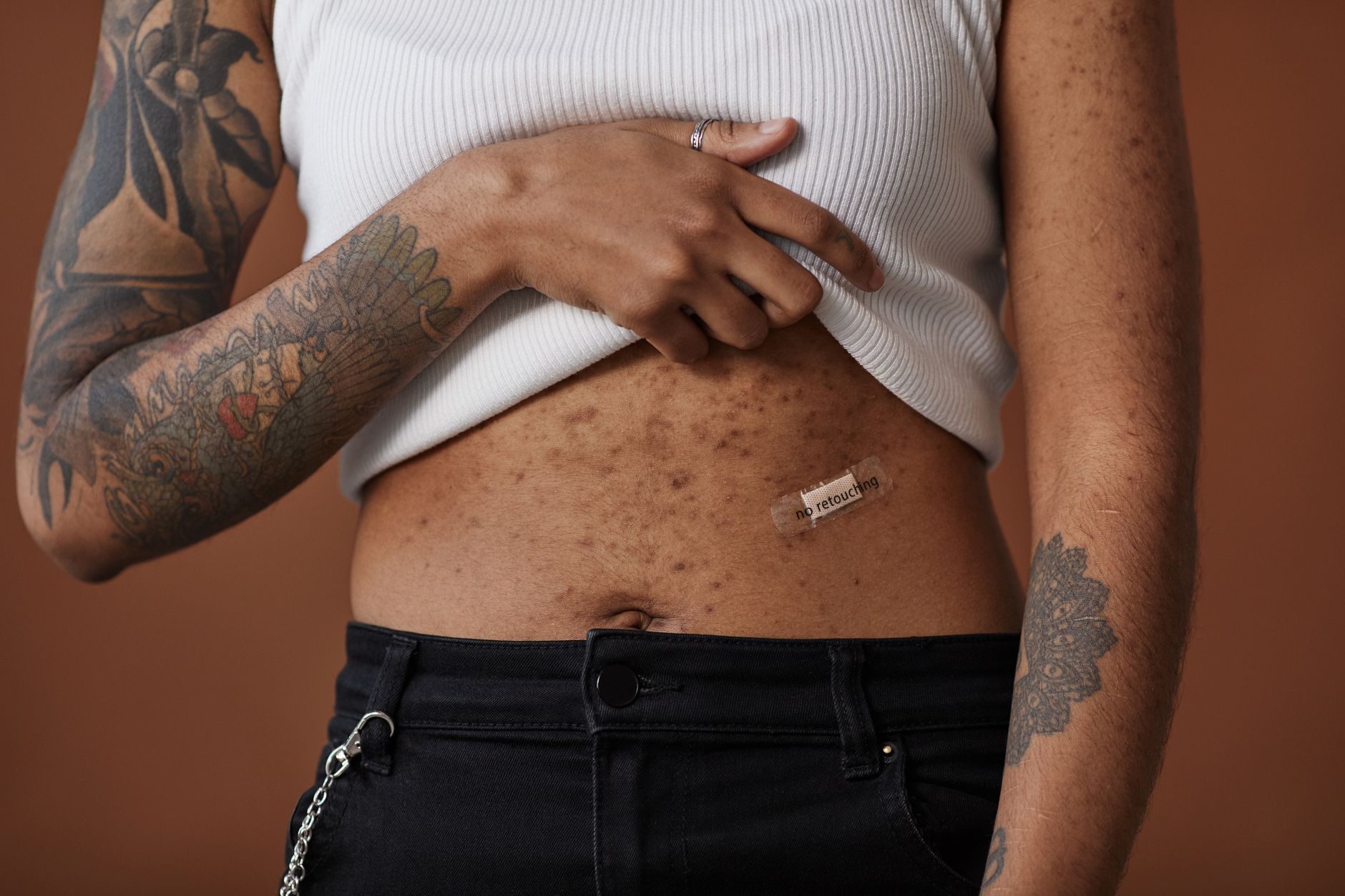
Menopause patches are transdermal hormone therapy: they deliver oestrogen (and in some cases progestogen) directly through the skin into the bloodstream, bypassing the liver entirely. That bypass matters. It's the reason patches are considered a lower-risk delivery route than oral tablets for many women, particularly those with a history of migraines or cardiovascular risk factors. If you've been told you can't take HRT in tablet form, a patch may still be an option worth discussing with your doctor.
What menopause patches actually contain
Most patches contain oestradiol, the form of oestrogen the body produces naturally before menopause. The dose varies by brand and product: common oestradiol strengths range from 25 micrograms per day at the low end to 100 micrograms per day at the higher end. Your clinician will usually start you at a lower dose and adjust based on symptom response over 8 to 12 weeks.
Patches come in two main configurations. Oestrogen-only patches suit women who have had a hysterectomy and don't have a uterus to protect. Combined patches contain both oestradiol and a progestogen (usually norethisterone acetate or levonorgestrel) and are prescribed for women who still have their uterus, because oestrogen alone without progestogen raises endometrial cancer risk. Some women use an oestrogen-only patch alongside a separate progestogen, either as tablets or an intrauterine system like the Mirena. That combination is worth asking about specifically, because it gives more flexibility around progestogen dose.
How patches compare to other HRT forms
The main alternatives are oral tablets, gels, sprays, and implants. Each has trade-offs. Tablets are convenient but go through first-pass liver metabolism, which can raise blood pressure and clotting factors slightly in some women. Gels and sprays also bypass the liver, like patches, but require daily application and can transfer to skin contact. Patches typically need changing twice a week (some formulations once a week), which suits women who don't want a daily routine.
Skin irritation is the most common complaint with patches. Around 10 to 20 percent of patch users report redness or itching at the application site. Rotating the site (lower abdomen, buttocks, upper thigh) reduces this. If irritation persists with one brand, switching to a different adhesive formulation often helps, since brands use different backing materials.
For women weighing up the broader menopause medication landscape, patches sit alongside gels and tablets as first-line options in most Australian prescribing guidelines. No single delivery method is universally superior. The right choice depends on personal preference, skin sensitivity, and medical history.
Who patches are suitable for
Patches are suitable for most women seeking systemic hormone therapy for menopause symptoms. Hot flushes, night sweats, sleep disruption, vaginal dryness, joint pain, and mood changes are all symptom clusters that oestrogen therapy addresses. The patch is not a topical treatment applied to the symptom site. It delivers oestrogen systemically, reaching every tissue that has oestrogen receptors, which includes the brain, bone, skin, and cardiovascular system.
Women who may particularly benefit from a transdermal route include those with migraines with aura (oral oestrogen can increase stroke risk in this group, transdermal oestrogen does not carry the same association), those with hypertension, and women with high triglycerides. These are not rigid exclusions. They're reasons to have a specific conversation with a prescriber who knows menopause medicine well rather than accepting a generic prescription.
Patches are not suitable for everyone. Active breast cancer, unexplained vaginal bleeding, untreated endometrial cancer, and a recent history of blood clots are standard contraindications. A properly conducted menopause health assessment should cover these before any prescription is written.
Practical things most women aren't told
A few specifics that rarely make it into the standard GP conversation:
- Application site rotation is not optional. Using the same spot repeatedly causes skin sensitisation. Move the patch at least 2 centimetres from the last site each time.
- Water doesn't remove them. Swimming, showering, and bathing are fine. Saunas and very hot baths can loosen the adhesive, so check the patch after heat exposure.
- If a patch falls off early, apply a new one and keep to your original change schedule rather than restarting the clock. This avoids accidental double dosing later in the week.
- Symptoms returning before the next change date is a common sign the dose is too low, not a reason to stop therapy. Tell your prescriber rather than stopping.
Most women need 3 to 6 months on a stable dose before making a final judgement on whether a patch is working. Oestrogen levels take time to stabilise in tissue. Stopping after 6 weeks because symptoms haven't fully resolved is one of the most common reasons women miss out on effective relief.
Patches available in Australia
In Australia, TGA-approved oestrogen patches include Estradot (oestradiol, twice weekly, in four dose strengths), Climara (oestradiol, once weekly), and Estalis (combined oestradiol plus norethisterone acetate, twice weekly). Your pharmacy may not stock all strengths. It's worth checking before the prescription is written, particularly if you're starting at a specific dose your clinician has recommended.
PBS subsidy applies to some formulations under a menopause indication, but coverage depends on the specific brand and dose. Ask your prescriber to check the PBS status before you get to the pharmacy counter, since out-of-pocket costs can vary significantly between brands.
When to go back to your prescriber
If hot flushes return before your patch change day, if you're experiencing breakthrough bleeding on a combined patch outside the first 3 months, or if skin reactions don't settle after rotating sites, those are all conversations worth having promptly. Dose adjustment and brand switching are routine in menopause management. A good prescriber expects to refine the prescription, not set and forget it. If your current GP isn't engaging with the detail, finding a clinician with specific menopause expertise is worth the extra step.