 feisty
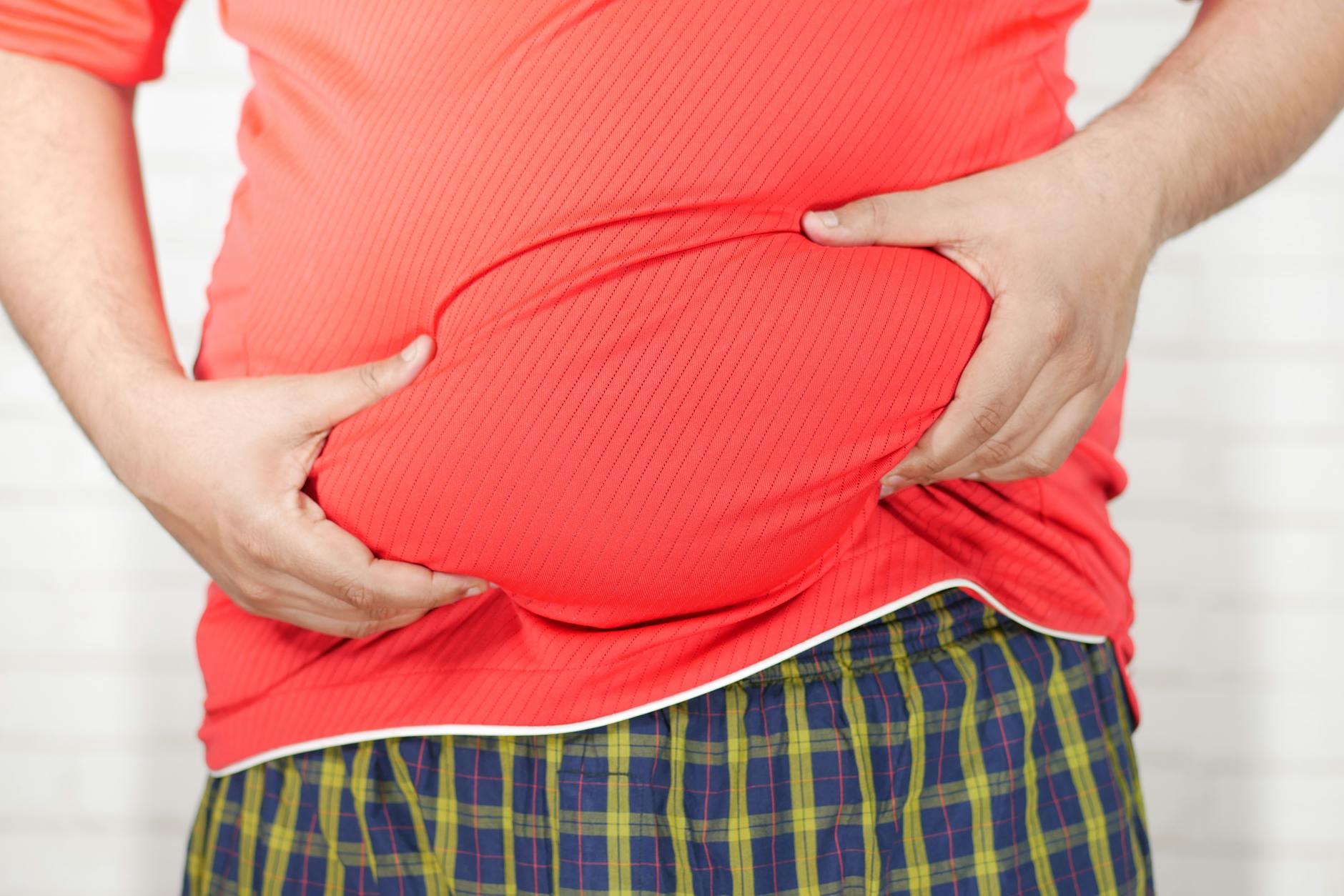
Menopause bloating is one of the most searched and least explained symptoms of the transition. The abdomen feels swollen, tight, and unpredictable, often with no obvious trigger. For many women it starts in perimenopause and continues well into the postmenopausal years. It's not vanity. It's uncomfortable, sometimes painful, and genuinely disruptive. The good news is that the causes are well understood, and several of them respond to targeted changes.
Why oestrogen drives so much of it
Oestrogen directly regulates fluid retention. When levels drop and fluctuate during perimenopause, the body temporarily holds more water in soft tissue, including around the abdomen. This is different from fat accumulation: it can appear and disappear within hours. Progesterone decline compounds the effect. Progesterone acts as a natural diuretic, so lower levels mean the body clears excess fluid more slowly. The result is that bloating can be dramatic in the week before a period in perimenopause, then shift to a more constant low-grade swell once periods stop.
9 causes worth understanding
1. Oestrogen-driven fluid retention
The most direct cause. Falling and fluctuating oestrogen disrupts the hormonal signals that govern how the kidneys handle salt and water. The abdomen is one of the first places the extra fluid settles.
2. Gut microbiome changes
Oestrogen influences the composition of gut bacteria. As levels fall, the bacterial diversity of the gut shifts, and that change affects how effectively the gut moves gas through. Slower gas transit means more distension. Research published in the journal Cell Host and Microbe has confirmed a direct link between oestrogen and gut microbial composition, which is part of why improving gut health during menopause can have a real impact on bloating specifically.
3. Slower gastric motility
Oestrogen helps regulate the speed at which food moves through the digestive tract. Without it, transit time slows. Food and gas sit in the colon longer, producing more distension. This is why some women develop new constipation in perimenopause even when their diet hasn't changed at all.
4. Cortisol and stress
Elevated cortisol directly slows digestion. The stress response shunts blood away from the gut and reduces the muscular contractions that push food along. Menopause raises baseline cortisol reactivity, meaning ordinary stressors hit the digestive system harder than they used to. This creates a feedback loop: the discomfort of bloating is itself stressful, which keeps cortisol elevated.
5. Food sensitivities that arrive mid-life
Gut permeability increases with age and with oestrogen loss. Some women develop new intolerances to foods they've eaten without issue for decades. Lactose and gluten are the most common culprits, but high-FODMAP foods (onions, garlic, apples, legumes) can also become newly problematic. The sensitivity isn't psychosomatic: it reflects genuine changes in intestinal lining function.
6. Visceral fat accumulation
The redistribution of fat toward the abdomen that accompanies menopause doesn't cause bloating directly, but it narrows the space available in the abdominal cavity. This means that normal amounts of gas and food produce more visible distension than they would have ten years earlier. Visceral fat behaves differently from subcutaneous fat and responds best to a combination of resistance training and dietary changes rather than calorie restriction alone.
7. Swallowed air
Eating quickly, drinking carbonated drinks, chewing gum, and talking while eating all increase the amount of air that enters the digestive system. This cause is mundane but real, and it's often amplified when the gut is already sluggish. A slower-moving colon means swallowed air has nowhere to go quickly.
8. Small intestinal bacterial overgrowth (SIBO)
SIBO occurs when bacteria that normally live in the colon migrate into the small intestine. The result is fermentation of food in a part of the gut not designed for it, producing large volumes of gas rapidly after eating. SIBO is diagnosed with a hydrogen breath test. It's more common in women over 45 than the general public realises, and it won't resolve with dietary tweaks alone.
9. Thyroid dysfunction
Hypothyroidism is significantly more common in perimenopausal and postmenopausal women, and one of its clearest effects is slowed gut motility. Many women are treated for bloating and constipation for months before a thyroid panel is ordered. If bloating is persistent and accompanied by fatigue, cold intolerance, and weight gain, a TSH test is worth requesting.
What actually helps
Not every strategy works for every cause, so matching the fix to the driver matters.
- For fluid retention: Reducing sodium intake to under 2,300mg per day produces measurable reductions in fluid retention. Potassium-rich foods (bananas, spinach, sweet potato) help the kidneys excrete excess sodium. Magnesium glycinate has a mild diuretic effect and also supports gut motility.
- For gut motility: Soluble fibre (oats, flaxseed, chia) adds bulk without feeding gas-producing bacteria the way insoluble fibre does. Aim for 25g of total fibre daily, introduced gradually. Walking for 20 minutes after meals measurably speeds gastric emptying.
- For microbiome shifts: Fermented foods (kefir, kimchi, unsweetened yoghurt) introduce live bacteria. Targeted probiotic strains, particularly Lactobacillus plantarum and Bifidobacterium longum, have evidence for reducing bloating specifically.
- For food sensitivities: A low-FODMAP elimination protocol run with a dietitian can identify specific triggers within 6 to 8 weeks. Removing FODMAPs permanently without testing isn't recommended, as it can restrict dietary variety unnecessarily.
- For SIBO: Diagnosis first, then treatment with rifaximin or herbal antimicrobials under medical supervision. Dietary changes don't treat SIBO; they manage symptoms while the underlying overgrowth persists.
- For thyroid-related bloating: Levothyroxine, if hypothyroidism is confirmed, typically resolves the digestive symptoms within 4 to 8 weeks of reaching therapeutic dose.
What about hormone therapy?
Menopausal hormone therapy (MHT) addresses the root hormonal driver of fluid retention and gut motility changes. For women with moderate to severe bloating alongside other menopause symptoms, MHT is worth discussing with a clinician. Some women notice initial bloating when they start oestrogen therapy, particularly oral formulations, because oestrogen transiently increases fluid retention before the system recalibrates. Transdermal oestrogen (patches, gels) tends to produce less initial bloating than oral tablets because it bypasses first-pass liver metabolism.
Keeping a symptom diary
Bloating is one of those symptoms that feels constant until you track it. A two-week diary noting meals, timing, stress levels, sleep quality, and bloating severity on a 1-to-5 scale usually reveals clear patterns. Bring it to your GP or gynaecologist. It converts a vague complaint into a specific clinical picture and significantly speeds up diagnosis. Many women who do this discover that their bloating is worst on high-sodium days, or after specific foods, or in the first half of the day before gut motility gets moving.
Menopause bloating responds to treatment. The key is identifying which of the 9 causes above is doing most of the work, because a probiotic won't fix SIBO and a low-FODMAP diet won't fix hypothyroidism. Start with the diary, talk to your clinician, and don't accept "it's just menopause" as a complete answer.