 feisty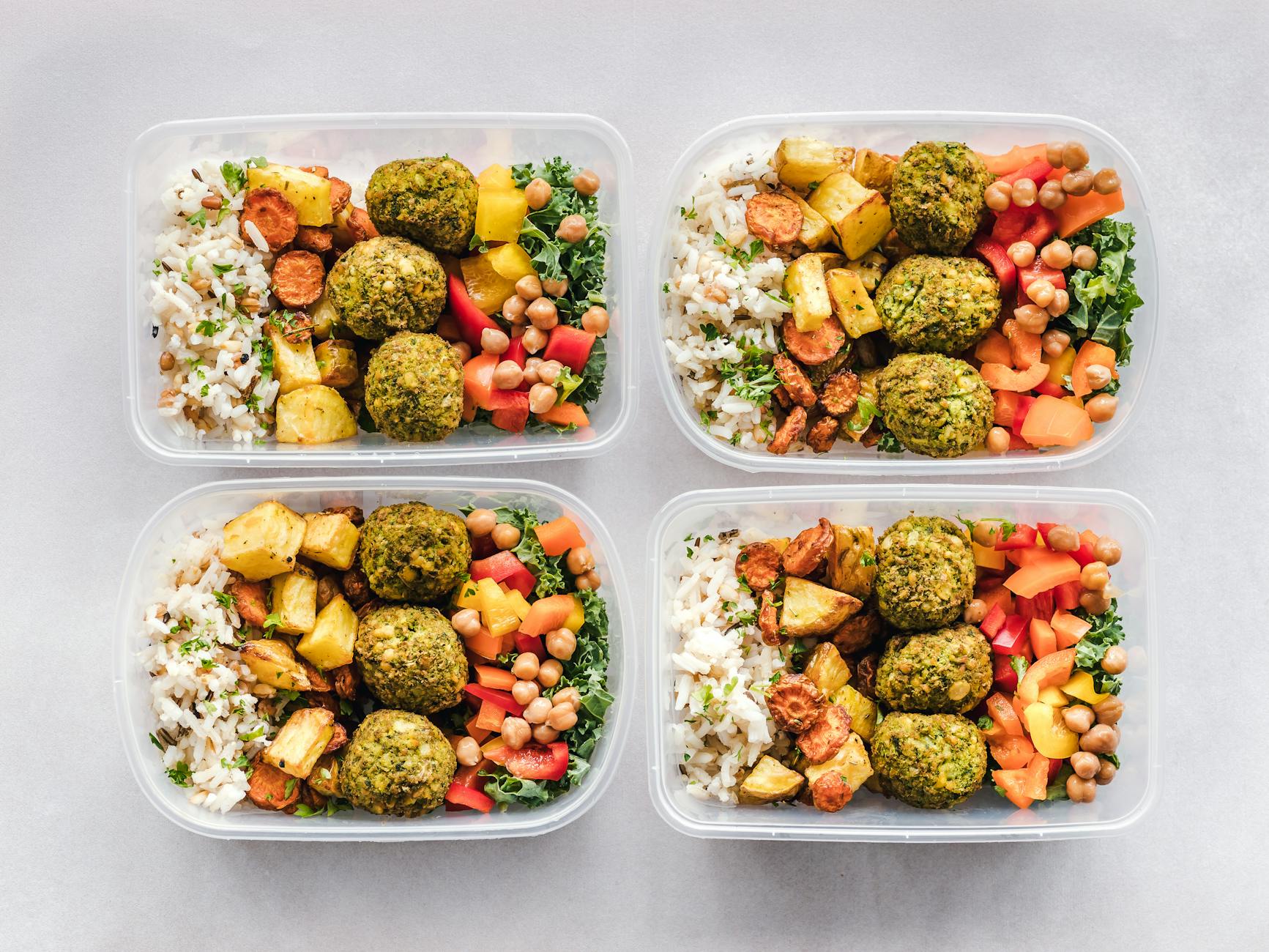
The CSIRO menopause diet isn't a single branded meal plan. It's a set of evidence-based nutrition principles developed by Australia's national science agency, the Commonwealth Scientific and Industrial Research Organisation, specifically for women in perimenopause and beyond. The framework draws on CSIRO's long-running diet and health research program and targets the three things that shift most dramatically at midlife: muscle mass, metabolic rate, and bone density.
What makes the CSIRO approach different for menopause
Most general diet advice wasn't designed with menopausal women in mind. The CSIRO menopause diet recognises that the hormonal changes of perimenopause alter the way the body processes protein, stores fat, and regulates appetite. Oestrogen withdrawal accelerates muscle loss and shifts fat distribution toward the abdomen. Standard calorie-restriction models don't account for this.
The CSIRO approach responds with three structural priorities. First, higher protein intake: the research points to 1.2 to 1.6 grams of protein per kilogram of body weight daily, well above the standard adult RDI of 0.8 grams. Second, a focus on fibre from vegetables, legumes, and wholegrains to support gut health and satiety. Third, consistent inclusion of calcium-rich foods and vitamin D to slow bone loss after oestrogen decline.
These aren't small tweaks to a conventional diet. They represent a genuine restructuring of macronutrient ratios. And if you've been wondering whether to cut carbohydrates entirely, the answer from the CSIRO evidence base is more nuanced than most influencer content suggests. If you want the full breakdown, the real answer to whether menopausal women should cut carbs is worth reading before you make any drastic changes.
Core food principles from the CSIRO research
The CSIRO menopause diet organises eating around a few non-negotiable food categories rather than rigid calorie counting.
- Protein at every meal: lean meat, fish, eggs, legumes, dairy, or tofu. Spreading protein across three meals improves muscle protein synthesis more than front-loading it at dinner.
- Five serves of vegetables daily: prioritising colourful, non-starchy options with at least one serve of leafy greens for folate and magnesium.
- Two serves of fruit: whole fruit rather than juice to preserve fibre and slow glucose absorption.
- Wholegrains: oats, barley, brown rice, and wholegrain bread over refined carbohydrates.
- Dairy or fortified alternatives: two to three serves daily to meet calcium targets of 1,200 mg per day for women over 50.
- Healthy fats: olive oil, avocado, nuts, and oily fish (salmon, sardines, mackerel) for omega-3s linked to reduced inflammation and improved mood.
Alcohol and ultra-processed foods aren't banned, but the CSIRO research consistently links both to worsened hot flush frequency and disrupted sleep in menopausal cohorts. Reducing them is practical, not puritanical.
Protein: the nutrient that matters most
If you take one principle from the CSIRO menopause diet, make it protein. Muscle loss accelerates after 50. Without adequate dietary protein and resistance exercise, women can lose 1 to 2 percent of muscle mass per year. That loss slows metabolism, weakens bones, and increases fall risk.
A 70 kg woman needs 84 to 112 grams of protein daily under CSIRO's recommended range. To put that in food terms: a 150 g serve of chicken breast delivers about 45 g, a cup of lentils around 18 g, two eggs about 12 g, and 200 g of Greek yoghurt roughly 17 g. Hitting the target takes deliberate planning, not just an extra egg at breakfast.
Creatine is worth mentioning here. The evidence for creatine in midlife women, specifically for muscle preservation, is more compelling than most people realise. What creatine actually does for women goes deeper on this if you're weighing whether to add it alongside a higher-protein diet.
The role of gut health in the CSIRO framework
Oestrogen influences gut microbiome composition. When oestrogen drops, the microbiome shifts in ways that affect digestion, bloating, and even mood via the gut-brain axis. The CSIRO menopause diet addresses this through fibre diversity: aiming for 25 to 38 grams of total fibre daily from a range of plant sources, not just one type.
Fermented foods (yoghurt, kefir, kimchi, sauerkraut) aren't explicitly mandated in CSIRO's published frameworks, but the underlying rationale for supporting microbiome diversity makes them a practical addition. Prebiotic foods like garlic, onion, leeks, and legumes feed beneficial bacteria already present in the gut. The combination matters more than any single food.
What the CSIRO diet doesn't fix on its own
Nutrition is one lever. It doesn't replace MHT for women with moderate to severe symptoms, and it doesn't substitute for resistance training. The CSIRO evidence consistently shows that diet plus exercise outperforms diet alone for weight management, bone density, and mood in menopausal women. Movement is non-negotiable.
The diet also won't resolve symptoms that have a structural or hormonal cause beyond nutrition's reach. Persistent hot flushes, severe sleep disruption, and genitourinary changes typically require clinical input. A menopause-informed clinician can assess whether diet changes alone are sufficient or whether additional support is warranted. If you're not sure how to find one, finding a menopause doctor near you covers exactly how to identify a qualified clinician and what to ask at the first appointment.
How to apply it practically
The CSIRO menopause diet works best as a consistent pattern, not a short-term intervention. Three practical starting points:
Restructure breakfast first. Most women under-eat protein in the morning. Swap cereal for eggs with spinach, or Greek yoghurt with nuts and seeds. Getting 25 to 30 grams of protein at breakfast sets the muscle protein synthesis clock running earlier in the day.
Plan one high-protein, high-fibre dinner per day. A meal of salmon with lentils and steamed broccoli hits protein, omega-3s, calcium, and fibre in one go. Consistency beats variety for habit formation.
Treat calcium as a daily non-negotiable. Post-menopause, bone loss accelerates sharply. Dairy, fortified soy milk, canned salmon with bones, and leafy greens all contribute. Track it for two weeks to see where you actually stand.
The CSIRO menopause diet isn't dramatic. It doesn't promise rapid weight loss or a 21-day transformation. What it offers is a well-researched nutritional structure, grounded in how the menopausal body actually works.