 feisty
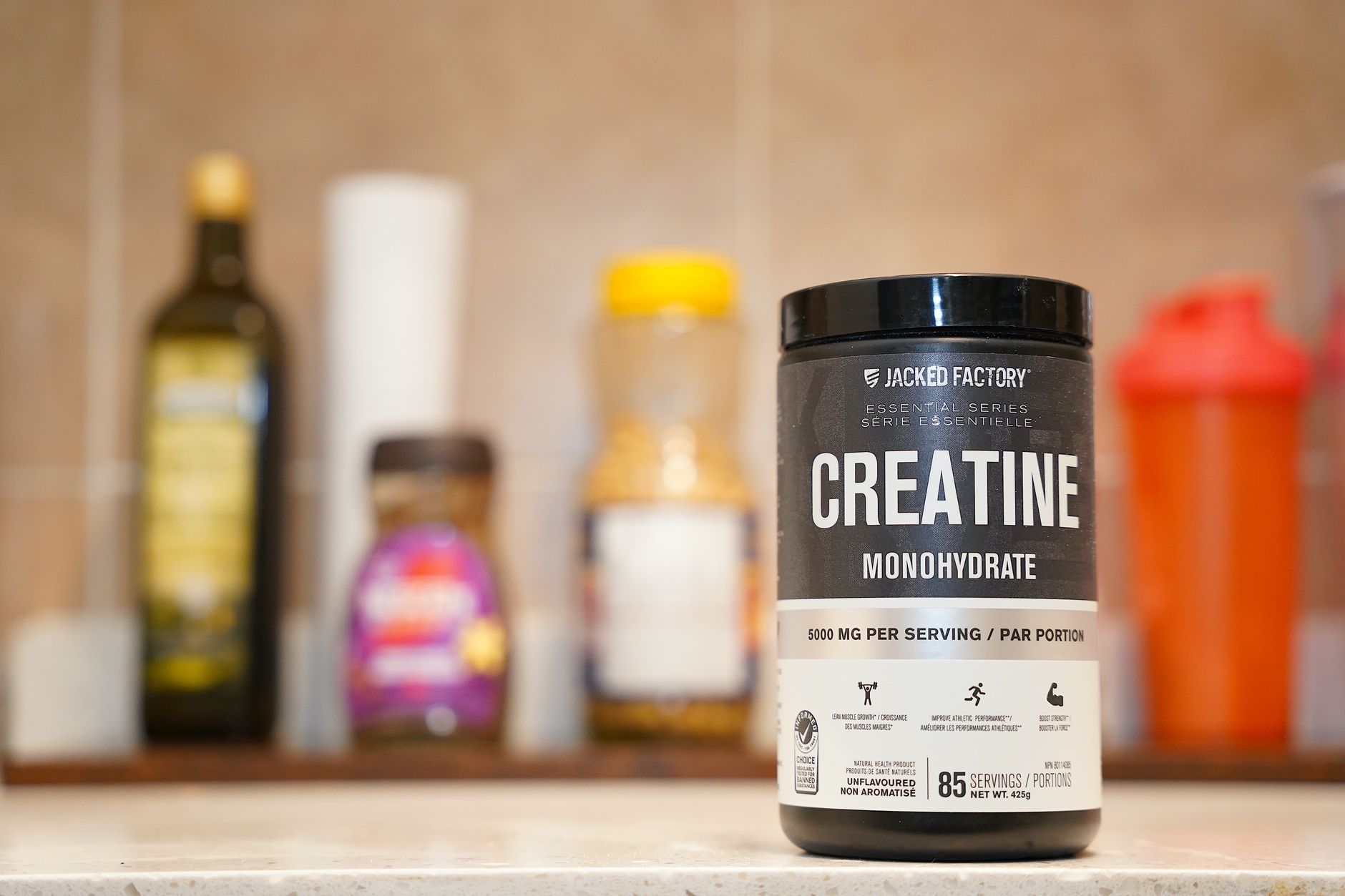
Creatine and menopause don't often appear in the same sentence outside of sports science journals, but that's changing. As the research on female physiology sharpens, creatine is emerging as one of the most practical, low-cost supplements for women navigating the hormonal shift of perimenopause and beyond. It doesn't replace oestrogen. It doesn't fix hot flushes. But for muscle, bone, and possibly cognition, the case is harder to dismiss than most GP conversations suggest.
What creatine actually does in the body
Creatine is a compound the body produces naturally, primarily in the liver and kidneys, and stores mainly in skeletal muscle. It plays a direct role in the phosphocreatine energy system: the fast, short-burst pathway that powers the first 10 seconds of intense effort. When you supplement with creatine, you top up those muscle stores beyond what diet and endogenous production typically achieve.
Women start with lower baseline creatine stores than men. About 70–80% lower in some measurements. That gap matters more after menopause, when oestrogen (which supports muscle protein synthesis) drops and the anabolic environment shifts. Creatine supplementation closes part of that deficit directly.
It also pulls water into muscle cells. That intracellular hydration improves the cellular environment for protein synthesis and reduces muscle protein breakdown. The weight gain some women worry about is largely this fluid shift inside muscle, not fat.
Muscle mass: where the evidence is clearest
Sarcopenia (age-related muscle loss) accelerates in the years around menopause. Women can lose 3–8% of muscle mass per decade from their 30s, and that rate increases after the final period. Resistance training is the primary intervention, but creatine supplementation added to resistance training consistently improves outcomes in older adults.
A 2021 systematic review in Nutrients looked specifically at creatine supplementation in older adults doing resistance training. Creatine groups gained more lean mass and showed greater strength improvements than placebo groups, with no meaningful adverse effects reported. The effect size was modest but consistent across studies.
For menopausal women, the relevant question is whether creatine amplifies the training signal when oestrogen is no longer doing its part. The answer, based on current evidence, is yes. It doesn't work in isolation: you still need the training stimulus. But if you're lifting and not supplementing, you're likely leaving gains on the table. Our piece on what creatine does for women covers the mechanisms in more depth if you want to go further.
Bone density: the underappreciated angle
Bone loss after menopause is driven by oestrogen decline, and it's steep: women can lose up to 20% of bone density in the 5–7 years after their final period. The primary interventions are resistance training, adequate calcium and vitamin D, and for some women, hormone therapy. Creatine sits in a supporting role, but it's not trivial.
Creatine supplementation appears to support bone mineral density through two routes: direct effects on bone cells (osteoblasts and osteoclasts) and indirect effects via improved muscle mass and training capacity. Stronger muscles pull harder on bone, which drives bone remodelling. A heavier, better-trained muscle reduces fracture risk even when bone density itself hasn't shifted dramatically.
A 2022 trial from the University of Saskatchewan followed postmenopausal women doing resistance training for 52 weeks, randomised to creatine or placebo. The creatine group showed significantly better preservation of bone mineral content at the femoral neck compared to placebo. That's a meaningful site: femoral neck fractures are one of the most serious consequences of osteoporosis in older women.
Brain fog and cognitive function
Brain fog is one of the most reported and least-discussed symptoms of the menopause transition. It covers processing speed, working memory, word recall, and concentration. Oestrogen has direct effects on brain metabolism, and its decline changes how efficiently the brain generates energy.
Creatine supplementation improves brain phosphocreatine availability, which supports neuronal energy metabolism. Several studies have shown improvements in cognitive performance (particularly working memory and processing speed) with creatine supplementation in healthy adults, including during sleep deprivation and mental fatigue tasks.
The research in menopausal women specifically is thinner than the muscle data, but the biological rationale is sound and the existing human trials are encouraging. A 2023 study in Experimental Gerontology found cognitive benefits from creatine supplementation in women over 50, particularly on tasks requiring rapid recall. It's not a cure for brain fog, but it's a tool with a plausible mechanism and a low risk profile. If you want context on how hormonal shifts affect stress and cognition together, the piece on cortisol and menopause is worth reading alongside this one.
How to take creatine in midlife
Creatine monohydrate is the form with the most evidence and the lowest cost. There's no compelling reason to pay more for creatine HCl, buffered creatine, or any other patented variant unless you have documented gastrointestinal sensitivity to monohydrate.
The standard maintenance dose is 3–5 grams daily. A loading phase (20 grams per day for 5–7 days) accelerates muscle saturation but isn't necessary. Taking it consistently matters more than timing, though taking it close to a workout (before or after) appears marginally better than taking it at an unrelated time.
Common concerns to address directly:
- Bloating: Some women report initial bloating. It usually settles within 1–2 weeks. Starting with 3 grams rather than 5 can reduce this.
- Kidney concerns: In healthy individuals without pre-existing kidney disease, long-term creatine supplementation at standard doses has not shown kidney harm in controlled trials. Women with existing kidney conditions should discuss this with their doctor.
- Weight gain: Expect 0.5–1.5 kg of initial weight gain from intramuscular water retention. This is not fat. Body composition measurements (not scale weight) are the right way to track progress.
Who should consider creatine during menopause
Creatine is worth considering if you're doing resistance training (or willing to start), concerned about muscle loss, bone density, or cognitive sharpness, and not managing these through diet alone. Vegetarians and vegans tend to have the lowest baseline muscle creatine stores and typically see the largest response to supplementation.
It pairs well with protein intake (aim for 1.6–2.0 g per kg of body weight daily) and resistance training at least twice a week. The supplement doesn't replace any of those inputs: it amplifies them. If you're building out a broader nutrition strategy for this phase of life, the menopause supplements guide covers what else has evidence behind it and what to skip.
Creatine won't resolve every symptom of the menopause transition, and it isn't a substitute for assessing whether hormone therapy is right for you. But for muscle, bone, and brain, it earns its place on the shelf.